

Articles from category Biology
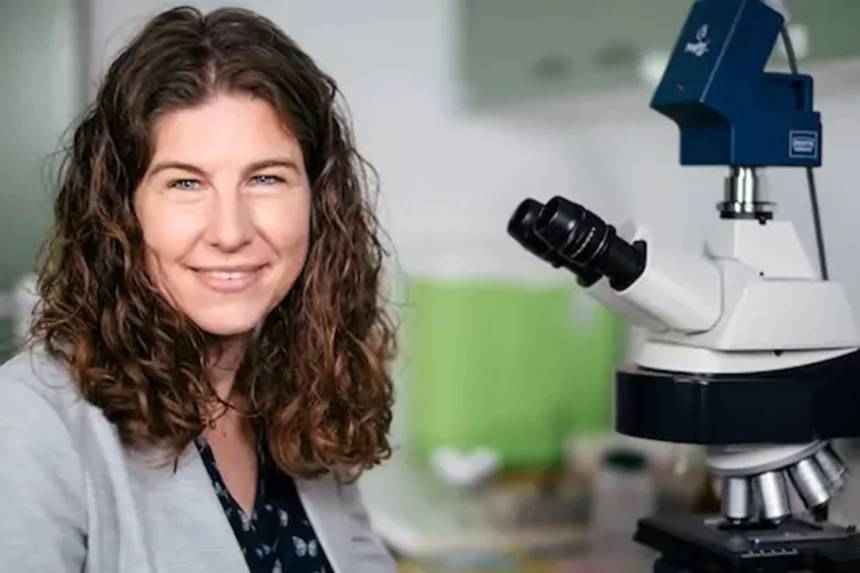
Research University: Five questions for Professor Julia Pawłowska, a biologist
They appear and vanish, shape entire ecosystems, and even provide homes for other microorganisms. Without fungi, the world would be buried under mountains of waste, and many plants as we…

The golden staph paradox: Does a “sticky” bacterium reduce the risk of death?
Why do some patients recover relatively easily from staph infections, while others die despite treatment? Scientists at the University of Warsaw suggest that the answer may lie in the bacterium’s…

The many faces of sleep deprivation: What one sleepless night does to your brain – and how it differs from a week of too little rest
Whether we pull an all-nighter to finish an important project or survive on just five hours of sleep for a week, we tend to treat sleep deprivation as the same…
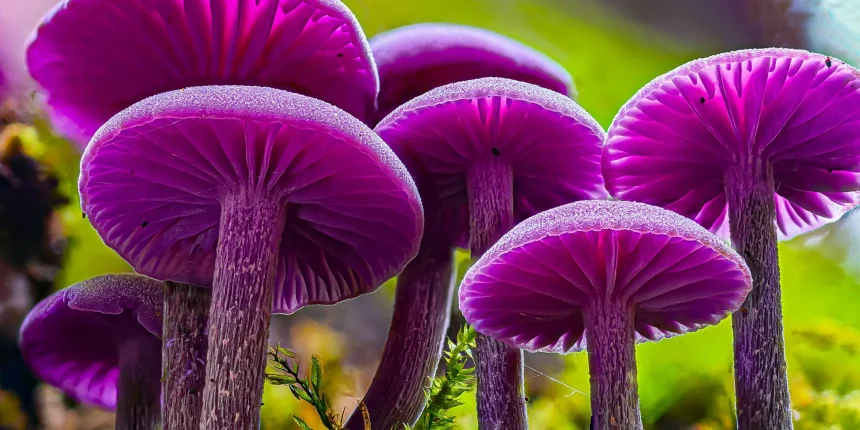
Can you name a fungus after your vacation spot? Why not – especially if you’ve just discovered a new species
An international project called FunDive is combining DNA analysis, artificial intelligence, and the expertise of mushroom foragers to uncover previously unknown fungal species – and help protect them.
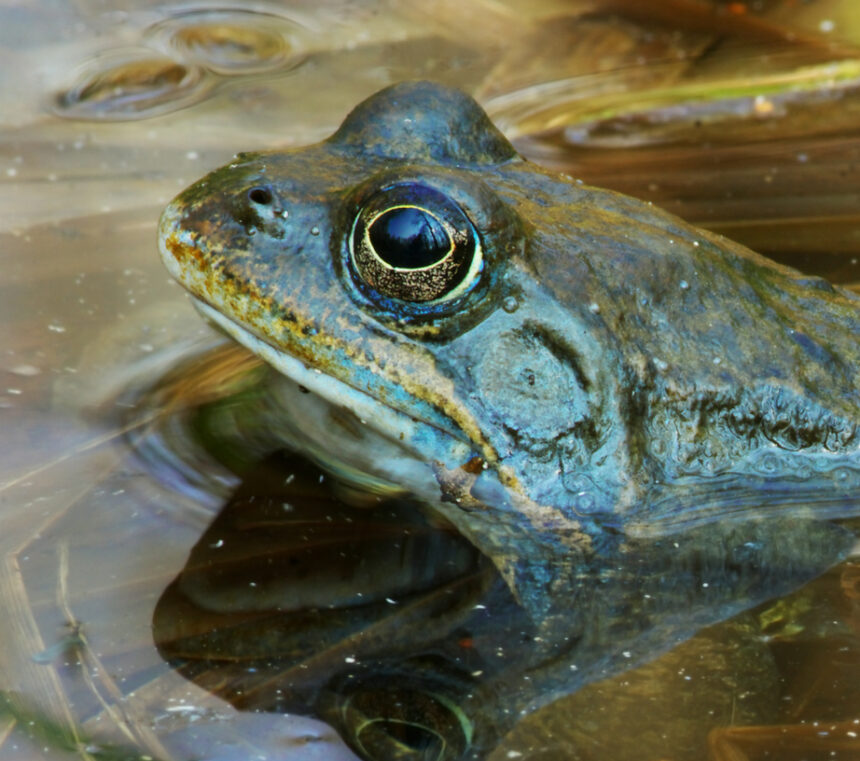
What a tadpole learns, a frog forgets: Exploring amphibian personality
Not all tadpoles are created equal. One grew up sheltered, another always had to fight for survival. Of course they behave differently – but do those early experiences shape the…
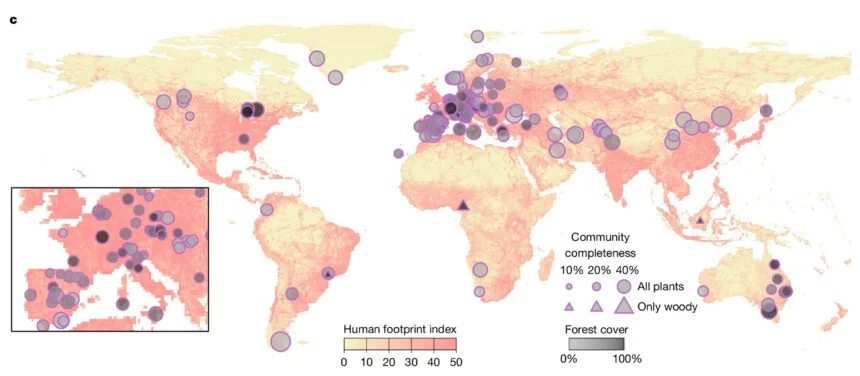
Gone missing: The plants that never came back
In everyday life, especially for city-dwellers, biodiversity is easy to overlook. Yet the astonishing variety of life on Earth underpins something we often take for granted: clean air to breathe…

Spatial geometry in biology: When aesthetics meets functionality
Many of us have noticed the mathematics hidden in the botanical world – for example, in the sunflower’s inflorescence, where rows of seeds form the characteristic Fibonacci spiral, or in…
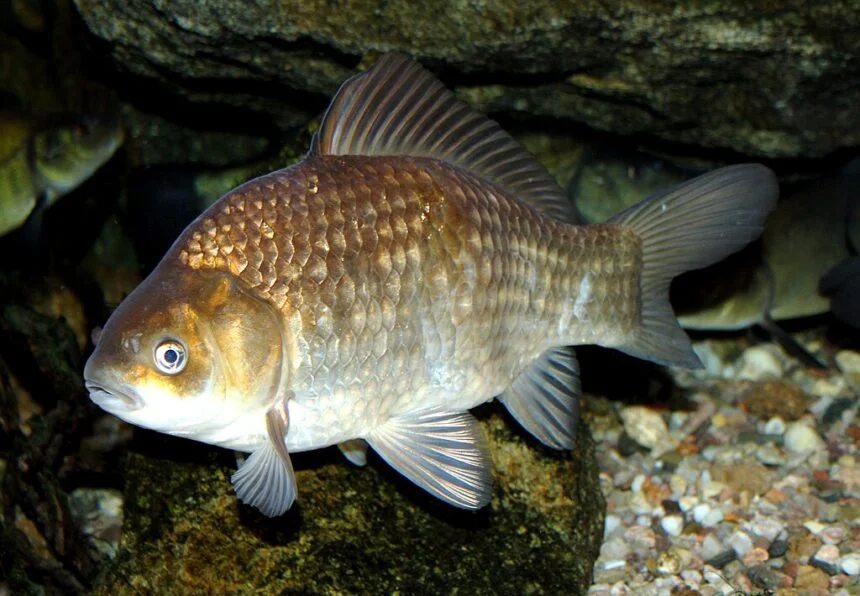
Crayfish and fish: Can they contribute to the removal of microplastics from water?
Plastic pollution in rivers, seas, and oceans is a serious – and long-recognized – problem. It threatens the health and lives of animals. But there’s a twist: aquatic species may…
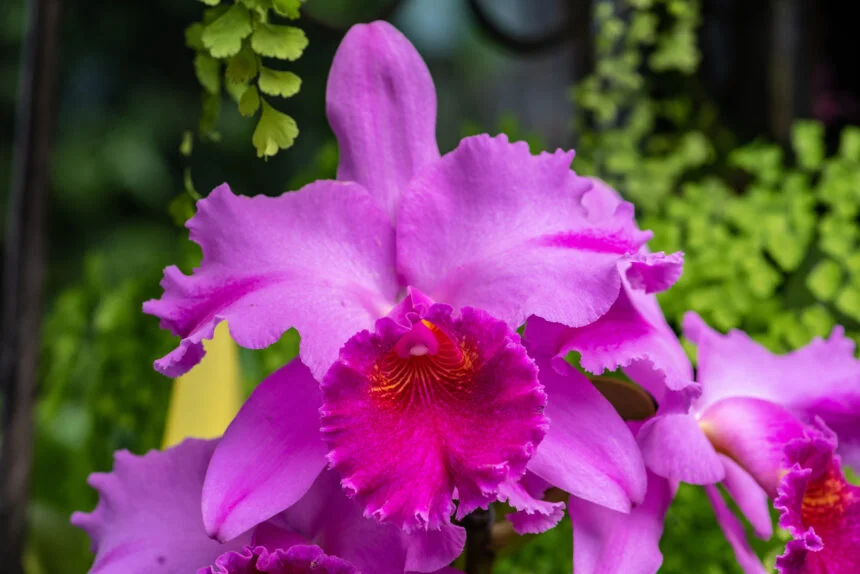
Floral deception and rewards for pollinators: Here’s something you didn’t know about orchids
The Orchidaceae – commonly known in Poland as orchids – is one of the largest plant families in the world, comprising over 25,000 species across roughly 800 genera. They occur nearly everywhere,…
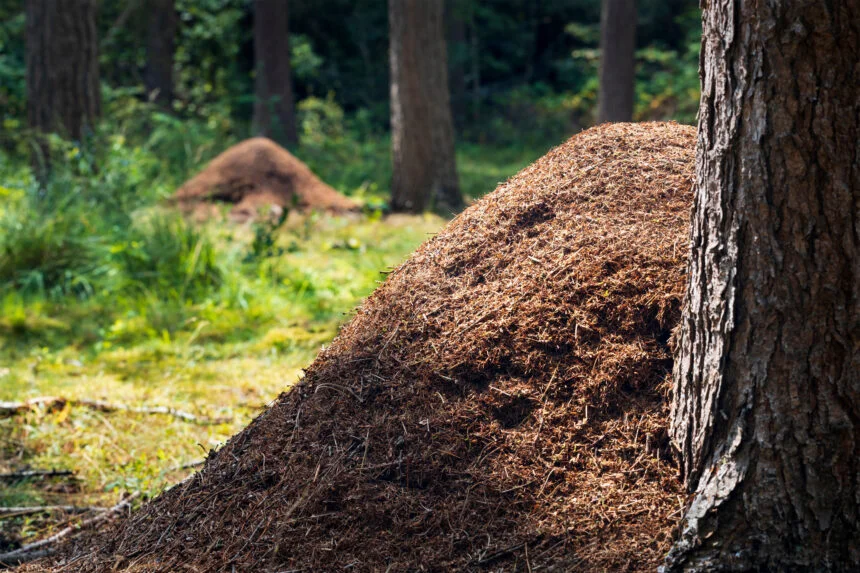
Uninvited lodgers: Mucoromycota fungi in red wood ant’s nests
How fascinating can the life of a single ant really be? As research from the University of Warsaw shows, the answer is: far more than we might expect. And things…