

Articles from category Natural & Exact Sciences
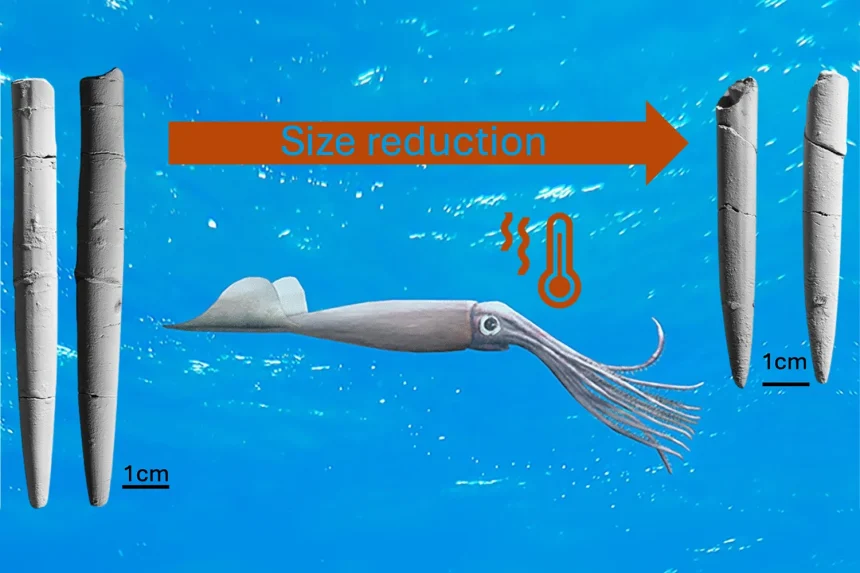
Warmer oceans, smaller animals: A breakthrough in research on the lilliput effect
As the oceans heat up, marine animals are getting smaller – and the fossil record suggests this is nothing new. Scientists have now found the same pattern repeating across hundreds…
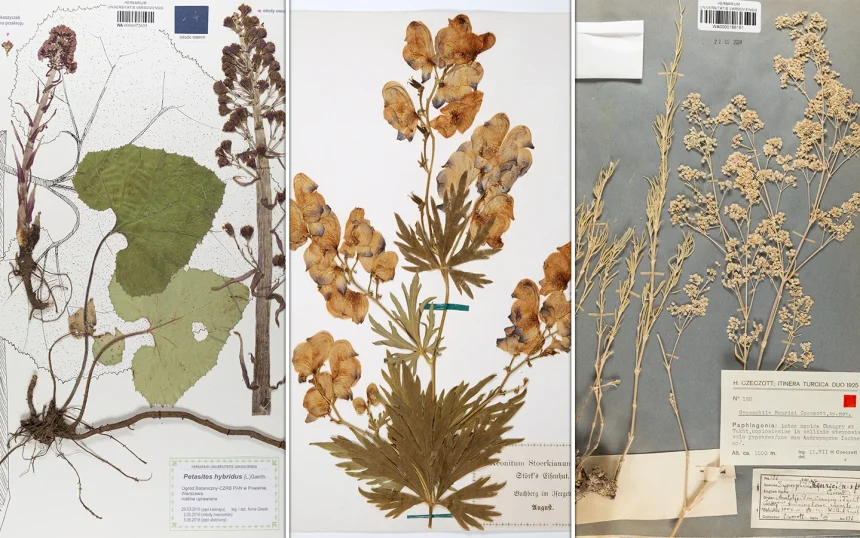
Freeze the plant. Press it. Save it for centuries: Inside herbaria and the rise of collectomics
Inside these vast cabinets, temperature is kept at 20°C (68°F) and humidity at 40% – the very same conditions used to preserve old books and manuscripts. Mold and insects are…

Research University: Five questions for chemist Professor Paweł Kulesza
From fuel cells and sensors to water electrolysis, ammonia-based hydrogen storage, and next-generation self-healing electrocatalysts, Prof. Paweł Kulesza takes us through the frontiers of modern electrochemistry and the impact of…
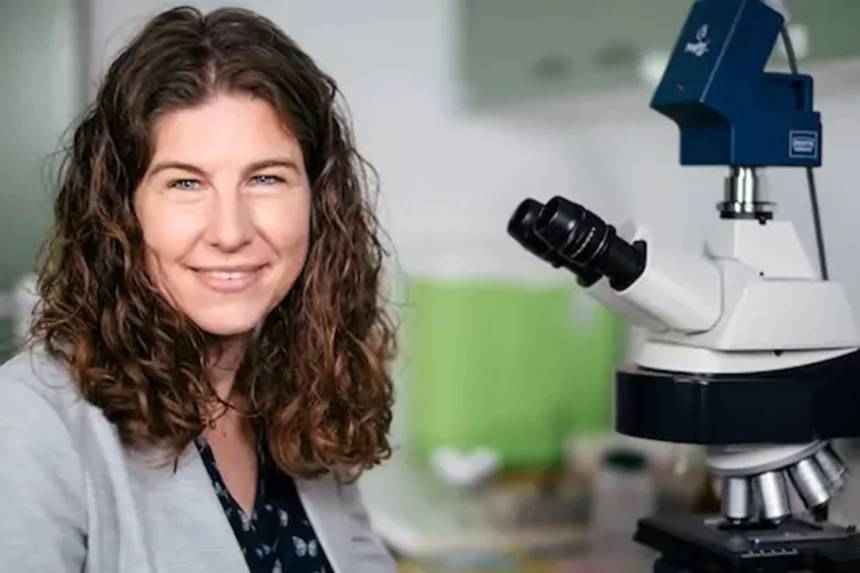
Research University: Five questions for Professor Julia Pawłowska, a biologist
They appear and vanish, shape entire ecosystems, and even provide homes for other microorganisms. Without fungi, the world would be buried under mountains of waste, and many plants as we…

Research University: Five questions for physicist Professor Michał Parniak
There are atoms that behave as if physics had turned all their parameters up to the max. They are larger, respond more strongly to external signals, and are far more…

Research University: Five questions for computer scientists Professor Wojciech Czerwiński
Every major online ticket sale relies on countless processes running in parallel – processing payments, reserving seats, canceling failed transactions, and responding to users in real time. Since each of…

Research University: Five questions for astronomer Professor Andrzej Udalski
Planets that orbit no star, drifting alone through the Milky Way. Free-floating black holes that cannot be seen, but are detected through the light of distant stars. And Dziewanna –…
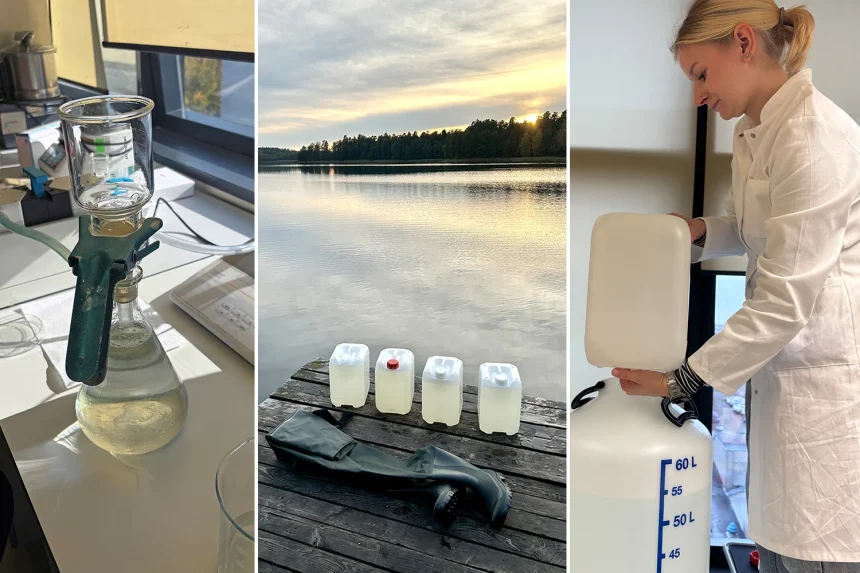
What’s in the water? University of Warsaw chemists develop a certified reference material for water analysis
Water quality matters – whether it’s drinking water or lake water – and it can be tested. But how do you create a natural water sample that laboratories can use…

The golden staph paradox: Does a “sticky” bacterium reduce the risk of death?
Why do some patients recover relatively easily from staph infections, while others die despite treatment? Scientists at the University of Warsaw suggest that the answer may lie in the bacterium’s…
Inside a protein: University of Warsaw scientists track the motions of individual molecules
Proteins inside our cells are constantly changing shape mostly through their folding and unfolding events. These tiny molecular motions determine whether they function properly and whether we stay healthy. Researchers…