

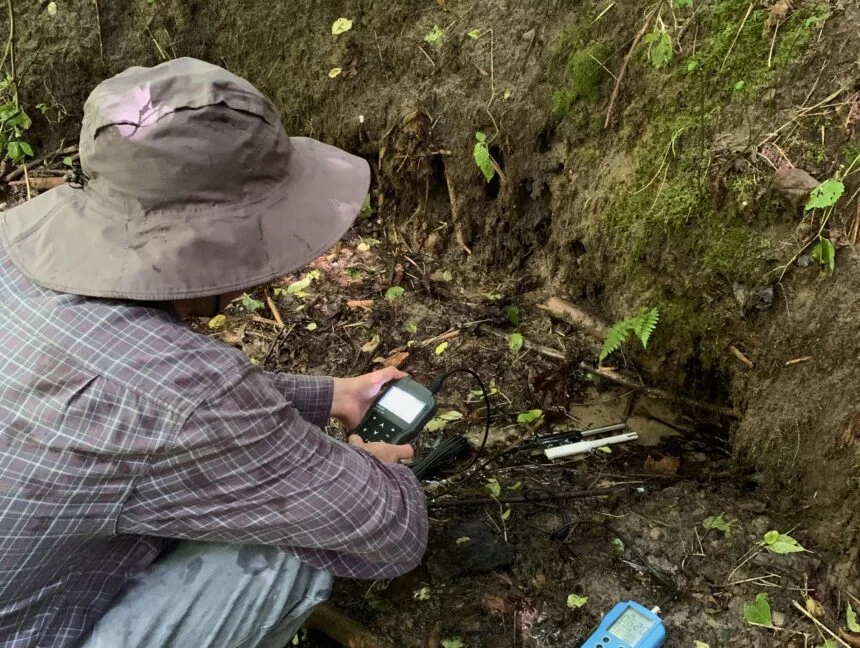
The importance of springs – natural, self-emerging outflows of groundwater – has been recognized since ancient times. Roman aqueducts drew water directly from these springs, and their locations often shaped the layout of entire settlements. One of the longest and most impressive was the Aqua Marcia, built in 144 BCE, which carried water from springs near present-day Arsoli in central Italy to Rome – a distance of over 90 km, partly underground and partly along monumental arcades.
In the 19th century, the presence of springs fueled the rise of hydrotherapy, which remains popular today. Interestingly, during the interwar period, Poland ranked among Europe’s leaders in the number of health resorts, with nearly a hundred towns holding official resort status. Thousands of visitors still flock to towns like Krynica-Zdrój, Szczawnica, and Polanica-Zdrój each year, where spring waters are used for therapeutic and preventive healthcare.
Dr Maksym Łaszewski from the Faculty of Geography and Regional Studies at the University of Warsaw emphasizes that the importance of natural groundwater outflows extends beyond economic benefits.
“The ecological value of springs is less obvious, but just as significant,” he explains. “Springs, especially those occurring in clusters and forming so-called spring zones, shape local microclimates that support stenothermal animal species (species that tolerate only a narrow temperature range, editor’s note). The vegetation nearby also benefits from these unique conditions, with growth observed even in winter! Geographically, springs are the birthplaces of rivers: their concentration can affect river flow stability and influence the thermal and hydrochemical conditions of watercourses.”
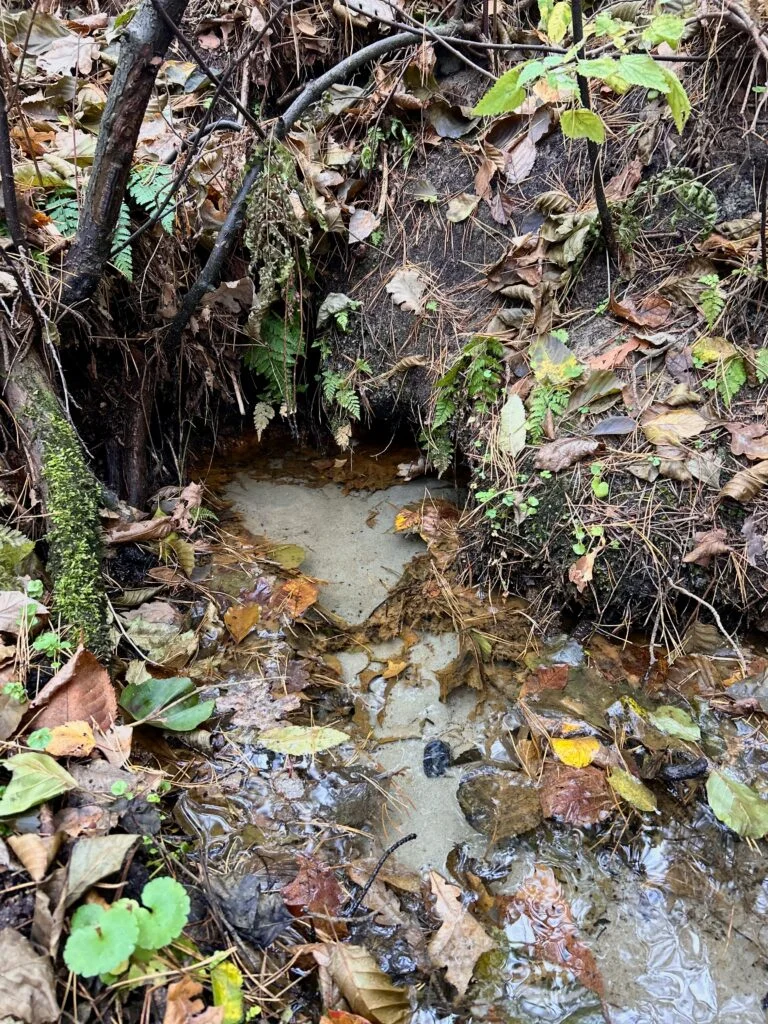
Not just mountains: A scientific look at lowland springs
When we hear the word “spring,” we usually picture steep mountain slopes with crystal-clear water seeping from between the rocks. Yet it is the lowland springs that have become the focus of Dr. Maksym Łaszewski’s research. Though less visually spectacular, these springs are extremely valuable as indicators of environmental change.
Even in the heart of Mazovia – such as along the Warsaw Escarpment, around Serock, and near Góra Kalwaria – natural springs have long served as sources of drinking water for local residents. Today, beyond their natural significance, they also play an educational and research role, helping scientists understand human impacts on groundwater resources.
Few people realize that one of Warsaw’s most famous springs was once the well at the Camaldolese Church in Bielany. Said to be “miraculous,” it drew pilgrims from across the region for decades – not only for its water but also for its reputed healing properties.

Health resorts, history, and research
The driving force behind research on lowland springs was a significant gap in knowledge – both in terms of hydrology (particularly their discharge) and hydrochemistry. Dr. Maksym Łaszewski, with assistance from students at the Faculty of Geography and Regional Studies at the University of Warsaw, carried out two research projects aimed at providing a more detailed description of selected natural groundwater outflows.
One focused on the area around Nowe Miasto nad Pilicą, while the other – conducted jointly with Dr. Jarosław Suchożebrski – examined springs located at the foot of the Warsaw Escarpment.
The choice of the Nowe Miasto nad Pilicą region was not accidental. Local springs have played an important role in the town’s history for decades. As early as the 19th century, a modern Natural Treatment Facility was established there, opened in 1874 by Dr. Jan Kapistran Bieliński. The health resort quickly gained popularity, attracting patients from across Poland, including notable figures such as Narcyza Żmichowska (a prominent writer and social activist), Ignacy Jan Paderewski (famous pianist, composer, and later Prime Minister of Poland), and Henryk Sienkiewicz (Nobel Prize-winning author of Quo Vadis). Treatments made use of spring water sourced from the nearby escarpment and the Pilica River. Unfortunately, the resort did not survive the upheavals of World War I; in 1915 it was occupied by German forces and soon after destroyed.
What the springs say: Insights from research in Mazovia
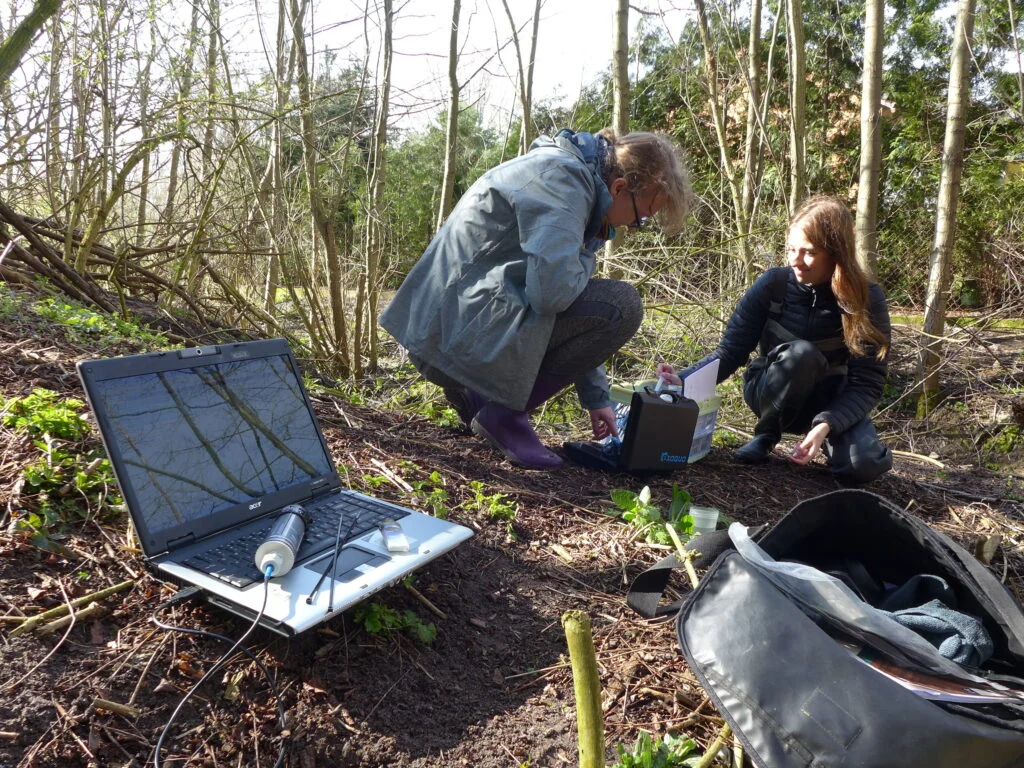
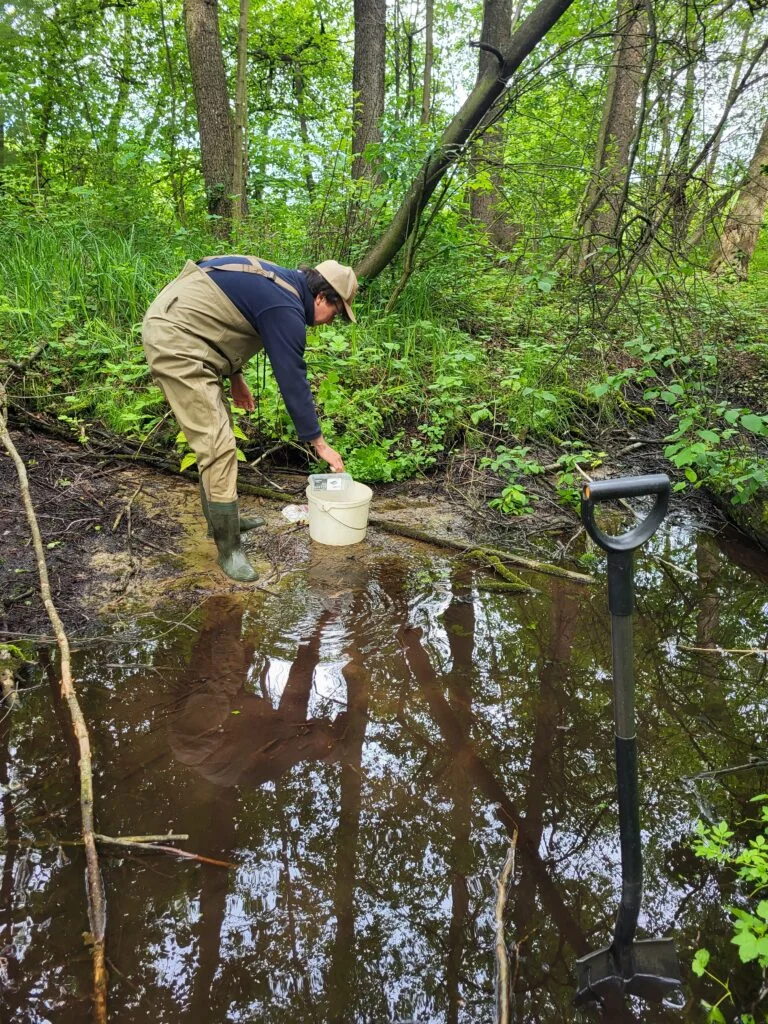
The researchers set out to achieve three main objectives. First, they aimed to measure the discharge of the springs – that is, the volume of water flowing from them over time – and its spatial variability. Second, they sought to examine the physical and chemical properties of the spring waters through hydrochemical analyses. Finally, they wanted to assess how human activity influences the chemical composition of these waters.
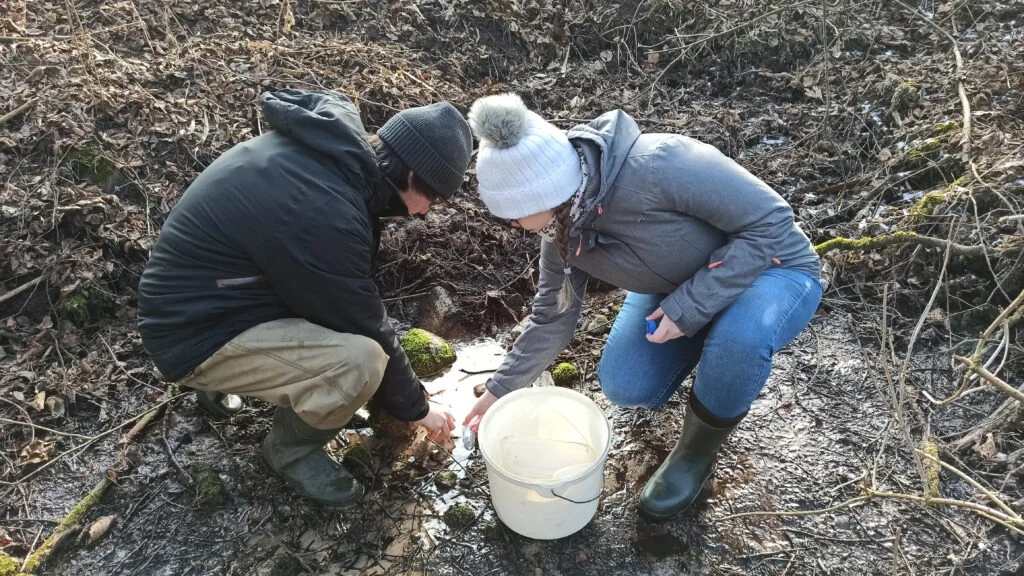
From November 2022 to October 2023, the team conducted monthly measurements of spring discharge and physico-chemical parameters. In February and August 2023, water samples were collected at different times of the year to capture potential seasonal changes in chemical composition.
The results revealed significant variation in the physico-chemical characteristics of the nine springs studied, with differences largely related to proximity to urban areas. This allowed researchers to identify two main sources of environmental pressure: urban anthropogenic influence (the impact of infrastructure and human activity) and intensive agricultural activity.
Urban influence was indicated by elevated electrical conductivity and higher concentrations of sulfate, chloride, sodium, and potassium ions. The agricultural pressure was reflected in high nitrate levels, characteristic of heavily fertilized areas.
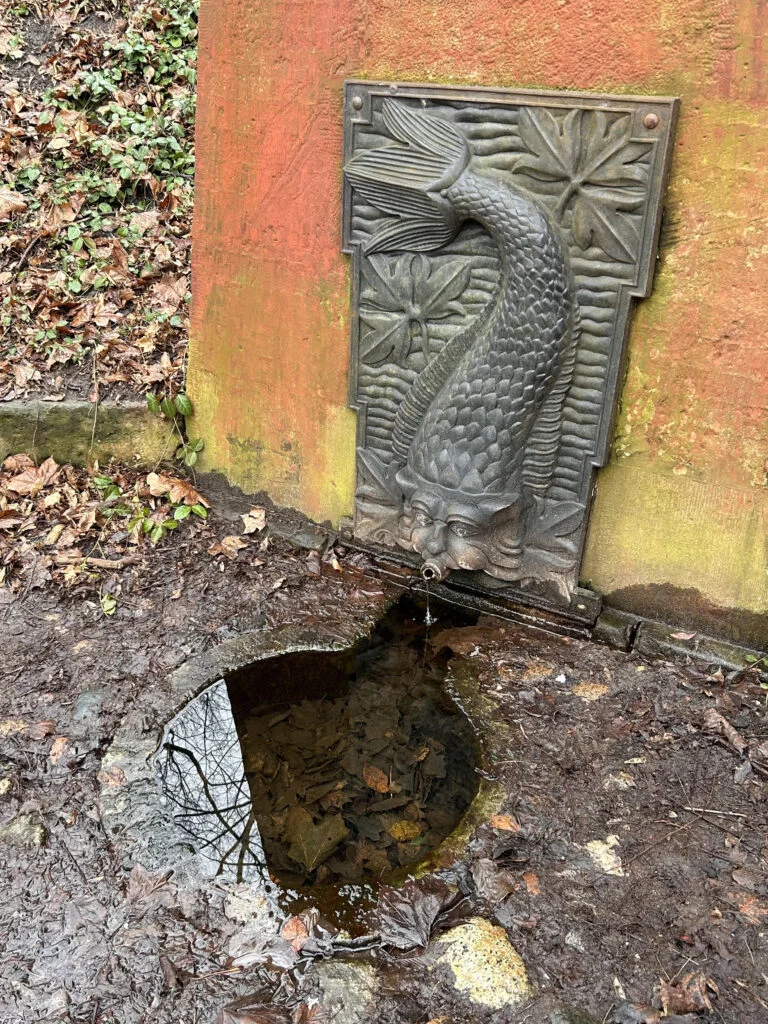
As part of a second project carried out in 2023–2024 in collaboration with Dr. Jarosław Suchożebrski, researchers studied springs in three areas along the Warsaw Escarpment: Wierzbno, Powiśle, and Bielany. Wierzbno – like Nowe Miasto nad Pilicą – was once a health resort near Warsaw. Its therapeutic facilities, highly popular among Warsaw residents, were centered around the Hydropathic Plant, founded in 1842 by Dr. Ludwik Sauvan. The institute operated until the latter half of the 19th century, closing when Wierzbno gradually lost its appeal due to the city’s expansion.
The study provided valuable insights into the significant influence of human activity on the physical and chemical properties of spring waters. The highest water mineralization, along with elevated concentrations of chromium, nickel, copper, and arsenic, was observed in the spring draining the historic downtown area, while the lowest values were recorded in the spring at the edge of Bielany Forest.
Why study springs?
At the turn of the 20th and 21st centuries, students of Prof. Małgorzata Gutra-Korycka and Dr. Jarosław Suchożebrski from the Section of Hydrology at the University of Warsaw’s Faculty of Geology and Geophysics conducted detailed analyses of springs along the Warsaw Escarpment. Interestingly, the scientific interest in these springs dates back even further: as early as the mid-19th century, the popularity of the Wierzbno springs drew researchers’ attention to their properties. This rich comparative dataset has given today’s scientists a valuable baseline to track how water parameters have changed over the decades under the influence of human activity.
Comparing past findings with contemporary measurements revealed a marked decrease in spring flow rates and an increase in water temperature. These changes are linked, among other factors, to climate change and the so-called urban heat island effect.
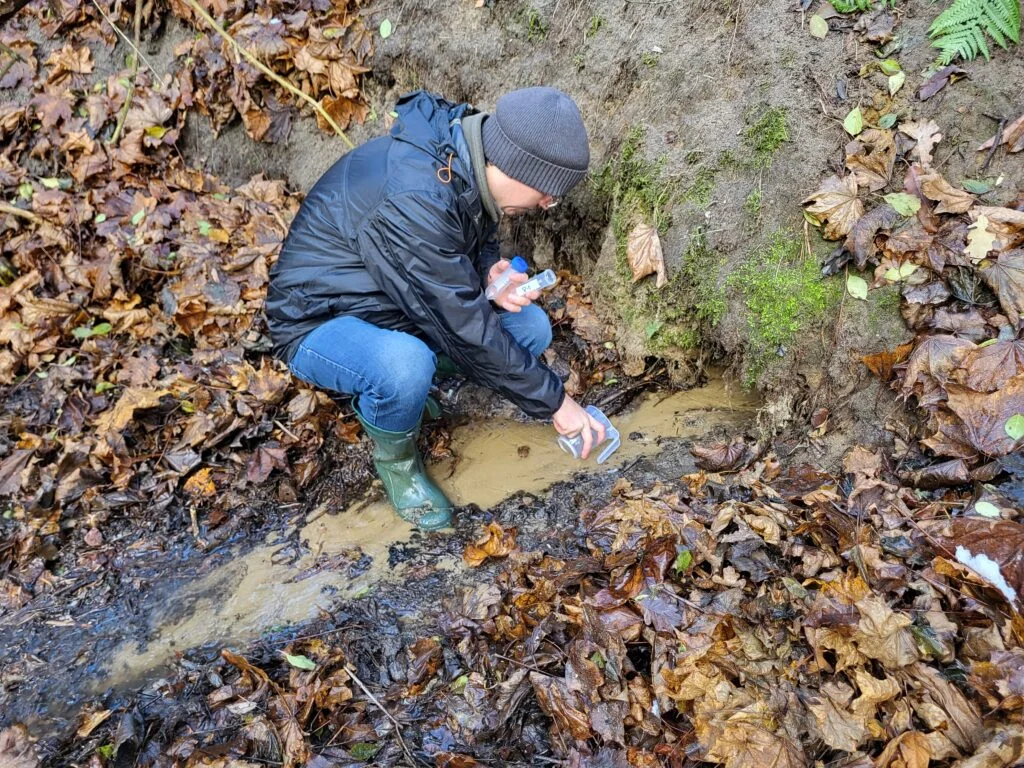
Research by Dr Maksym Łaszewski confirms that springs are valuable indicators of environmental conditions (spring studies are ongoing, including as part of the Miniatura research project).
“From my perspective as a geographer and hydrologist, studying springs provides an excellent window into the state of the environment,” says Dr. Łaszewski. “Groundwater feeding springs is subject to multiple forms of human pressure, and this pressure is reflected in both the chemical composition of spring water and its quantitative properties, such as discharge. For instance, natural boron concentrations in Quaternary groundwater in old glacial areas typically range from a few to several µg/L. Yet even scattered urban development can raise these levels in spring waters to hundreds µg/L. Boron is an additive in bleaches, detergents, and laundry powders, so above-average concentrations indicate problems with leaking sewers or septic tanks in the area.”
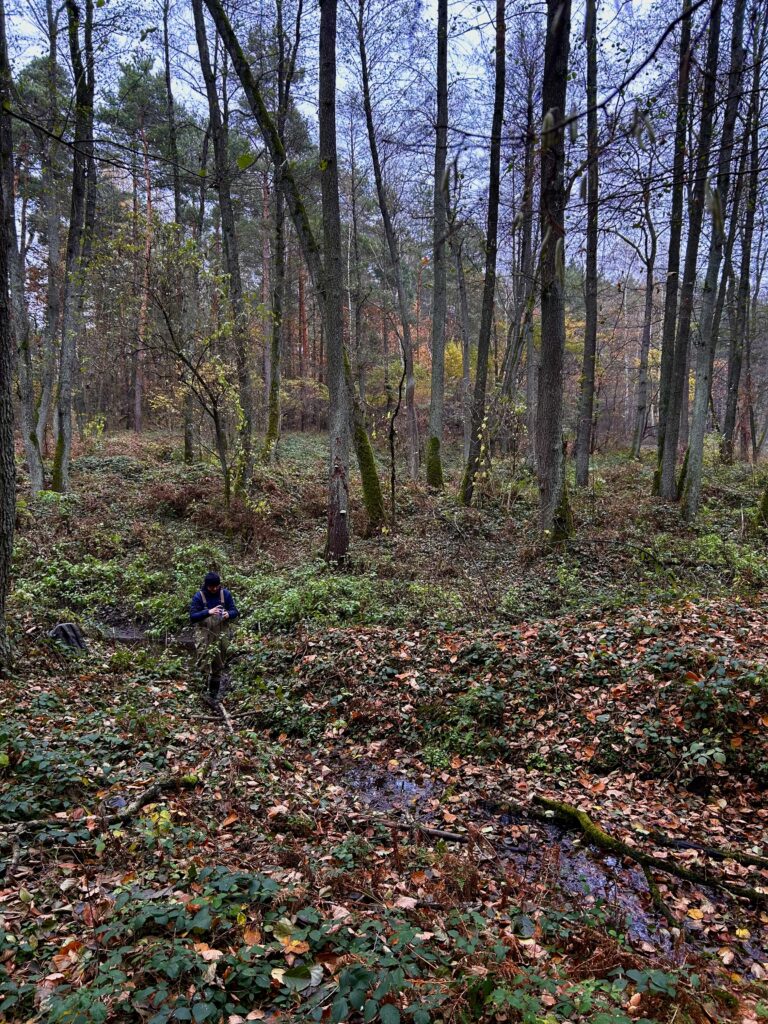
Initiatives like this highlight the importance of protecting groundwater from the harmful effects of human activity. There are several ways to do so.
“First and foremost, we should promote natural water infiltration, which helps replenish Quaternary – and in some cases deeper – aquifers. This, of course, involves reducing impermeable surfaces in cities. We should also continue improving wastewater management. Where possible, it is worth limiting the use of sodium chloride as a winter road de-icing agent and replacing it with more environmentally friendly alternatives. Overfertilization is another major issue in agricultural areas – this is where the code of good agricultural practice comes in, setting out guidelines for fertilizing arable land as well as for the safe storage of manure and waste. We should remember, however, that the effects of such measures are not immediately visible – the residence time of groundwater, especially in deeper aquifers, is incomparably longer than that of surface water,” the scientist concludes.
The text was originally published in Polish on the Serwis Naukowy UW website on July 29, 2025.