


Although the effects of sleep loss have fascinated neuroscientists for decades, most studies have focused on a single night without sleep. Far less is known about a far more common scenario: several consecutive nights with sleep cut by about one-third – the kind of sleep schedule many of us fall into during a typical workweek. To fill that gap, researchers from Poland and France conducted the first direct comparison of these two distinct forms of sleep deprivation.
Inside the sleep-deprived brain
To uncover what happens inside the brain when we push it beyond its limits, the researchers designed a carefully controlled experiment. Brains of twenty-eight healthy volunteers were scanned three times using functional magnetic resonance imaging (fMRI) – a technique that captures changes in brain activity.
“Sometimes we have to pull an all-nighter to finish an important project – that was our first scenario: total sleep deprivation. For chronic sleep deprivation, we wanted to recreate something much closer to everyday life: a demanding workweek during which many of us get less sleep than we should,” explains Patrycja Ściślewska.
Each participant was scanned three times: after regular sleep (so called “rested wakefulness” condition), after a full night without sleep (about 26 hours awake), and after a period of chronic sleep restriction designed to mimic a demanding workweek. In the latter condition, participants slept just five hours a night for five consecutive nights – about 36% less than usual. To ensure they followed the study protocol, they wore actigraphs, devices that continuously monitored their sleep and wake patterns.
“We know the participants followed the protocol because they wore actigraphs. These devices, similar to smartwatches, measure movement, heart rate, breathing, and other indicators, allowing us to determine whether someone is asleep or awake,” says Ściślewska.
Most sleep studies compare one group of sleep-deprived people with a separate group of well-rested participants. What makes this Polish–French study stand out is its longitudinal design.
“Each participant was scanned three times, allowing us to follow the same person across three different conditions. It is called longitudinal study – a design known as a longitudinal study. That meant we could compare a sleep-deprived brain with that very same person’s brain after a normal night’s sleep,” the researcher explains.
Instead of comparing different people, the scientists treated each volunteer as their own control, tracking how that individual’s brain changed over time. After all, the brain’s network of connections is as unique as a person’s face – with its own distinctive features, just like eye color, nose shape, or eyebrows.
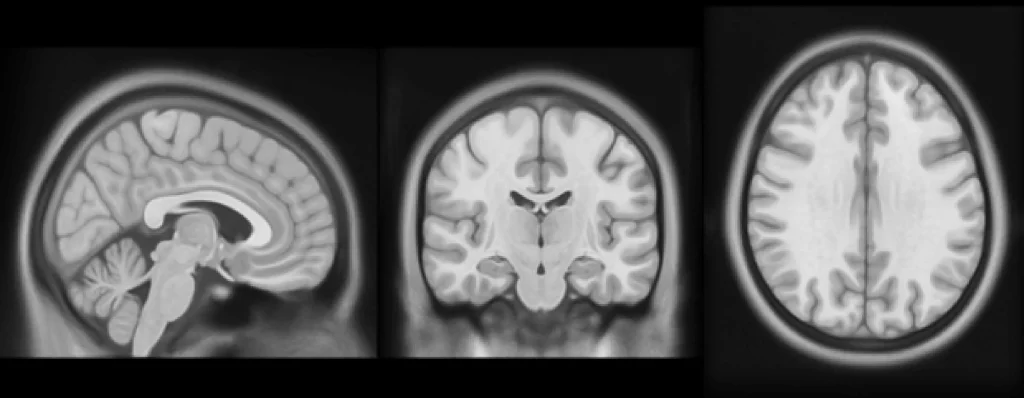
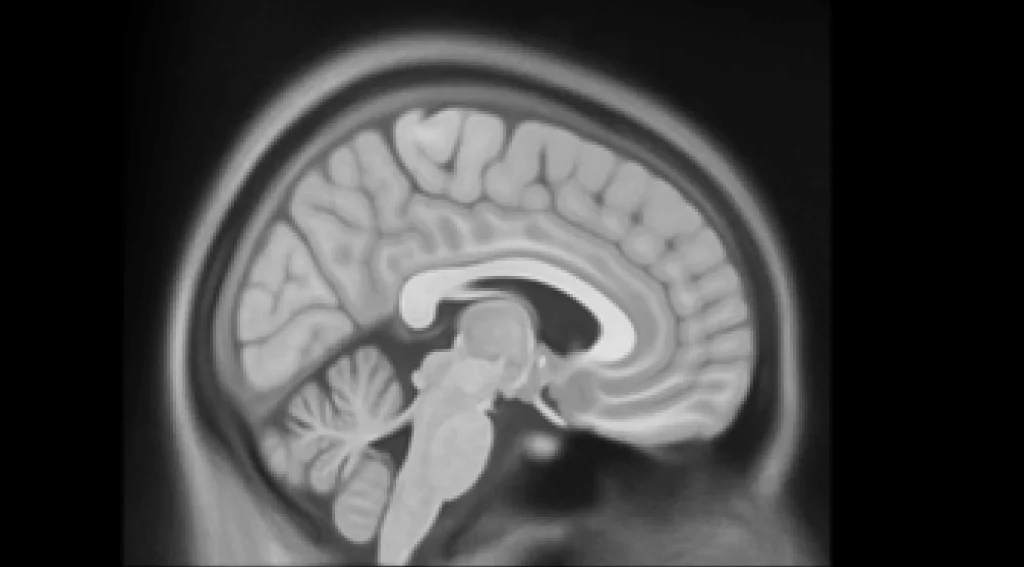
Your brain’s airport network
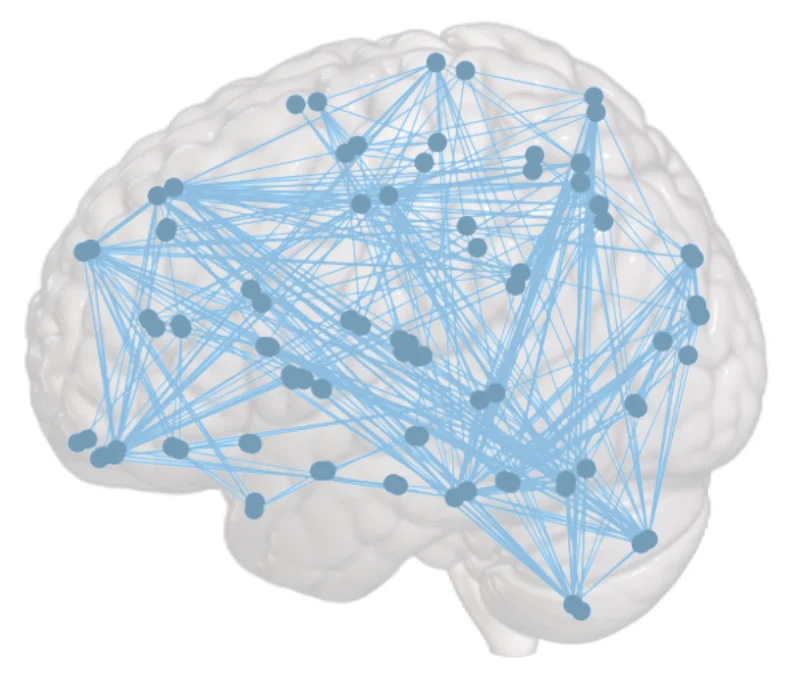
To make sense of the vast amount of data produced by the scanner, the researchers turned to graph theory – a branch of mathematics that treats the brain not as a collection of separate regions, but as a dynamic network.
“The novelty of our study is that we treated the brain as a network of connections. We didn’t focus on individual regions in isolation, but on interacting areas. To do this, we used graph theory, which offers many ways to examine how a network changes – how it reorganizes, whether some regions gain connections while others lose them,” says Ściślewska.
Imagine the brain as a complex airline network. Some regions function as major hubs – large airports with many connections to other destinations, like Warsaw Chopin Airport.
When we are well rested, information flows through this network quickly and efficiently. But under sleep deprivation, the system becomes severely disorganized: major hubs lose their connections, while traffic is rerouted to smaller airports (like Radom) in an attempt to keep the system running in emergency mode.
Using a novel metric called the within-subject Hub Disruption Index, the researchers showed that while this internal chaos looked slightly different in each participant, it consistently led to a major reshuffling of the brain’s key communication hubs.
Emergency mode
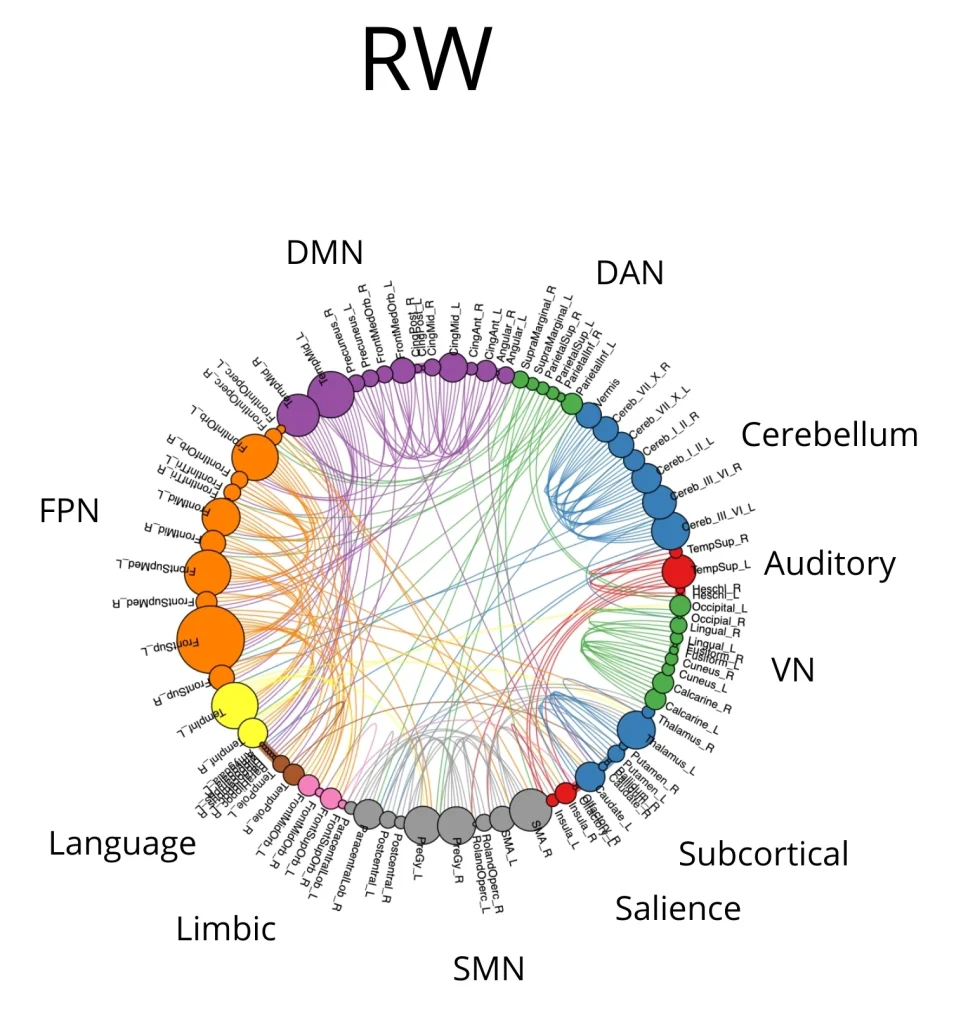
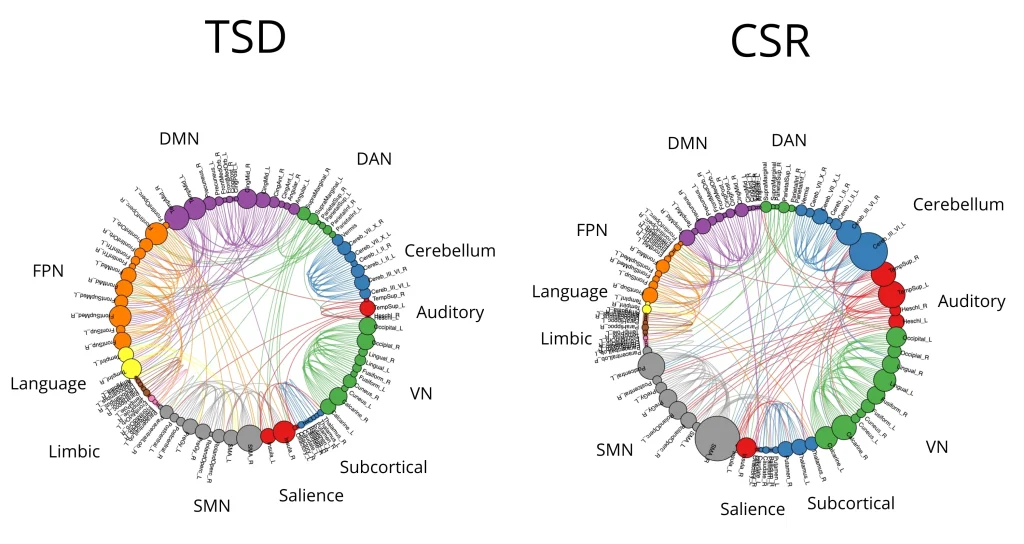
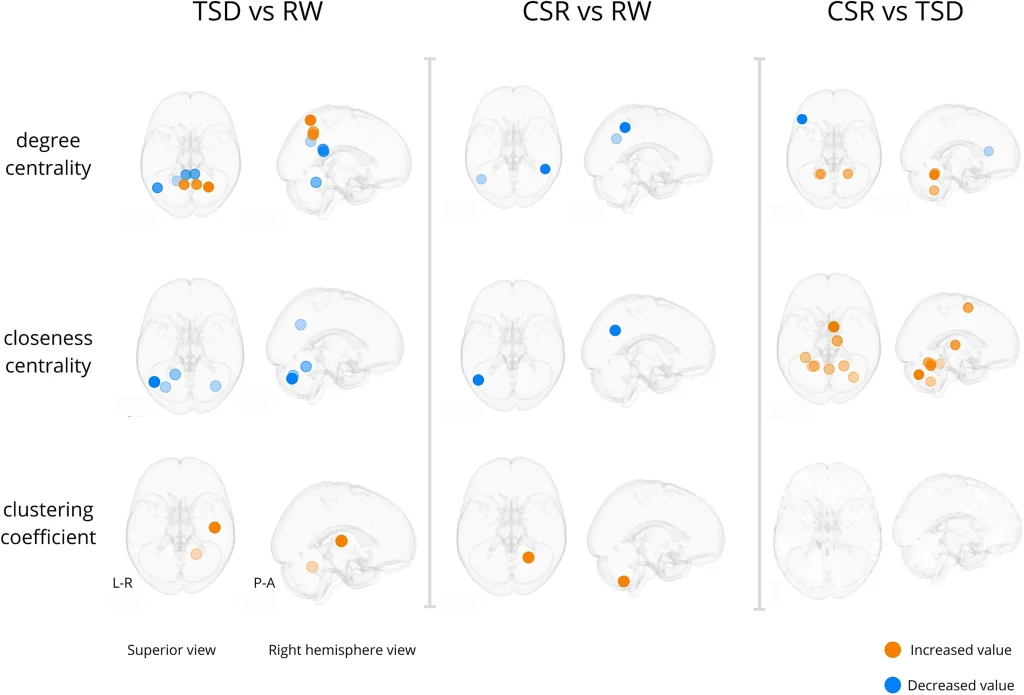
The results showed that total sleep deprivation and chronic sleep restriction reorganize brain function in very different ways. After a full night without sleep, the brain switches into what could be described as an emergency mode. In particular, changes were observed in the default mode network (DMN), which is involved in self-reflection and mind-wandering.
Following an all-nighter, researchers found evidence of compensation: while some parts of the network sharply lose their ability to communicate, others step in to take over, increasing their activity.
This kind of emergency reorganization allows us to keep functioning, but usually at a cost – reduced concentration, slower thinking, and less precise decision-making. In practice, it becomes easier to get distracted, drift into “mind-wandering,” and make small mistakes, especially in tasks that require sustained attention.
“In all participants, we observed a reorganization of networks. Regardless of what we measured or which graph characteristics we looked at, we consistently found changes in functional connectivity,” says Ściślewska.
The upside is that after an all-nighter, we are often aware of our impaired cognitive performance – and therefore more likely to avoid risky decisions, such as getting behind the wheel.
Living on autopilot
So what happens at the end of a week marked by five nights of insufficient sleep? Surprisingly, something quite different from the effects of a single sleepless night. Chronic sleep restriction primarily affects the front part of the frontoparietal network, which is crucial for logical reasoning and decision-making.
In everyday life, these changes can be subtle: we reread the same email several times, forget attachments, automatically take a familiar route despite having planned a different one, or run through a well-known procedure while skipping a simple step. This is not a dramatic “shutdown” of the brain, but rather a series of small shifts in attention control and habitual behavior that accumulate by the end of the week.
The structure that best distinguishes a sleepless night from chronic sleep restriction turns out to be the cerebellum. After a single night without sleep, its activity in sensorimotor regions decreases. But after a week of insufficient sleep, the cerebellum becomes hyperactive – not only in motor areas, but also in regions linked to cognition and emotion. It is as if the brain increasingly tries to handle everyday tasks automatically, without fully engaging conscious control.
“The cerebellum plays an important role in automating our actions. When we are chronically sleep-deprived, it often happens that we don’t remember whether we locked the door or turned off the iron, because we did it automatically. In other words, we operate on autopilot. We observe this at the neural level in our study,” explains the researcher.
The phenomenon is particularly deceptive because during chronic sleep restriction we often feel as if we have “slept enough,” which leads us to overestimate our abilities. The findings clearly show that this state significantly disrupts the brain’s architecture.
Night owls and early birds
Who copes better with sleep loss? It turns out that the brain changes triggered by sleep deprivation are closely linked to how our internal biological clock is set. The researchers analyzed participants’ chronotypes – whether they are early birds or night owls – as well as the subjective amplitude of their circadian rhythm (its strength or distinctness).
Circadian amplitude refers to how strongly we feel the difference between periods of peak energy and the moments when all we want is a nap. The circadian rhythm works like a sine wave, with alternating peaks and troughs of activity. While chronotype determines where that wave reaches its peak, amplitude describes how wide the gap is between our “best” and “worst” hours – between the peak and the dip.
In short, people with high amplitude feel great during their optimal hours but function poorly outside them, whereas those with low amplitude maintain a more stable level of alertness throughout the day. But how do these differences translate into responses to sleep loss?
Individuals with higher amplitude – that is, a more pronounced circadian rhythm – performed better, especially after a single sleepless night. They seemed to have a natural protective buffer: their brain networks were more resilient to sleep deprivation, less prone to sudden disruption, and showed smaller overall changes.
Among evening chronotypes – “night owls” – the contrast between the acute shock of one sleepless night and the gradual “breakdown” of attention after several days of sleep restriction was particularly pronounced.
This suggests that our individual biological rhythm plays a key role in determining how vulnerable we are to sleep deprivation.
Can you “catch up” on sleep?
Finally, an important question remains: can we actually make up for lost sleep? In the case of total sleep deprivation (a single sleepless night), the brain usually recovers fairly quickly, requiring just one or two nights of recovery sleep to return to baseline. The situation is far more complicated when it comes to chronic sleep restriction.
“With chronic sleep deprivation, things are a bit more complex because the changes may be less dramatic, but they are more widespread and can potentially accumulate over time. So even though we lose only a little sleep each day, returning to the original state – regular, efficient sleep – may take longer,” explains the researcher.
In practical terms, this means that even a typical “workweek” of sleep restriction – five consecutive nights with sleep reduced to around five hours – is enough to produce clear and more widespread reorganization of brain networks than a single sleepless night. This suggests that the effects of such fatigue may build up more insidiously and are harder to simply “reset.”
The research by Patrycja Ściślewska marks a step toward more personalized approaches to managing fatigue. By showing that different types of sleep loss reorganize brain networks in different ways, it becomes clear that a one-size-fits-all approach to preventing fatigue is not sufficient. A student pulling an all-nighter before an exam will require different strategies than a nurse, a professional driver, or a physician working shift schedules.
And it is worth remembering that consistently “cheating” the brain out of just a few hours of sleep each night has a far greater impact than we have previously assumed.
The text was originally published in Polish on the Serwis Naukowy UW website on April 24, 2026.