

Articles from category Chemistry
Research University: Five questions for chemist Professor Paweł Kulesza
From fuel cells and sensors to water electrolysis, ammonia-based hydrogen storage, and next-generation self-healing electrocatalysts, Prof. Paweł Kulesza takes us through the frontiers of modern electrochemistry and the impact of…
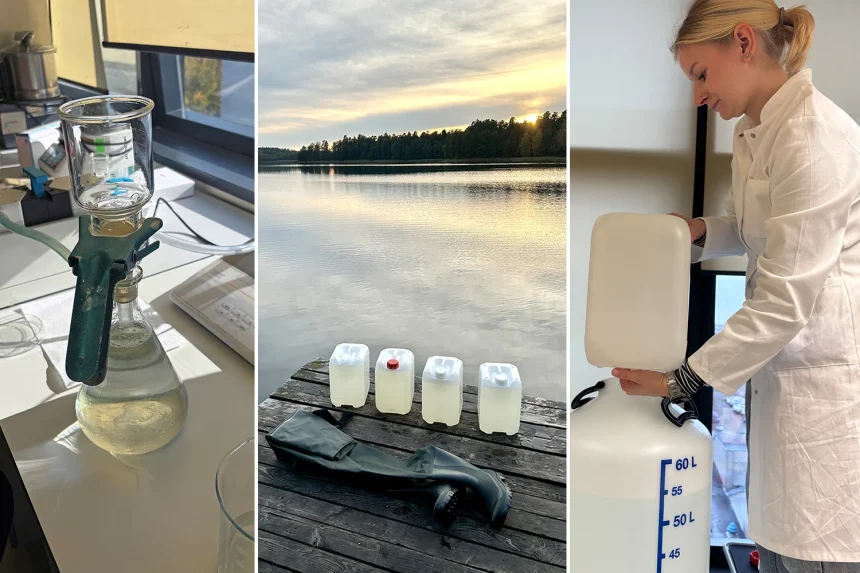
What’s in the water? University of Warsaw chemists develop a certified reference material for water analysis
Water quality matters – whether it’s drinking water or lake water – and it can be tested. But how do you create a natural water sample that laboratories can use…
Inside a protein: University of Warsaw scientists track the motions of individual molecules
Proteins inside our cells are constantly changing shape mostly through their folding and unfolding events. These tiny molecular motions determine whether they function properly and whether we stay healthy. Researchers…

Motion сreates life: In conversation with Nobel Prize-winning Prof. Ben L. Feringa
Soon, you may no longer need to wash your windows before the holidays—and a car scratched in a parking lot could repair itself. Beyond such everyday conveniences lie even more…
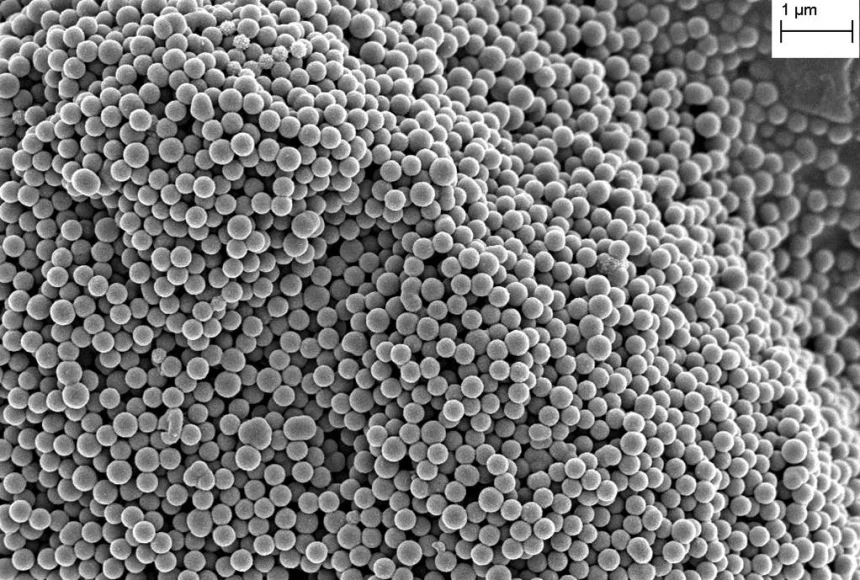
A drug that thinks: Smart microgels from the University of Warsaw
When we get a headache, we reach for a pill. If it doesn’t work, we take another one. Straightforward – but hardly an ideal way to deliver medication. Now imagine…
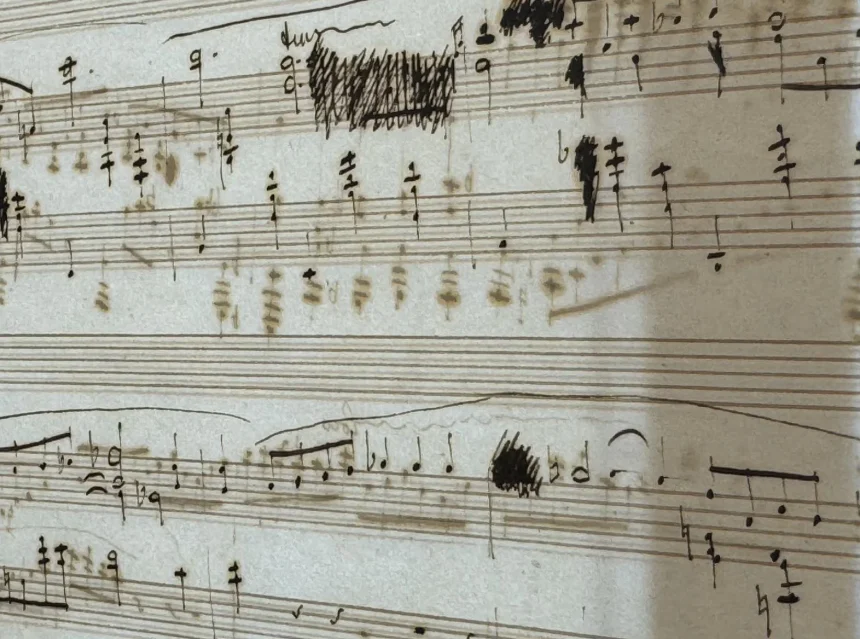
The untouched treasure: Tracing the legacy of one of Poland’s greatest figures
A stroke of good fortune kept it safe for decades – resting in a secure vault under stable conditions, far from the upheavals of history. During its years in New…
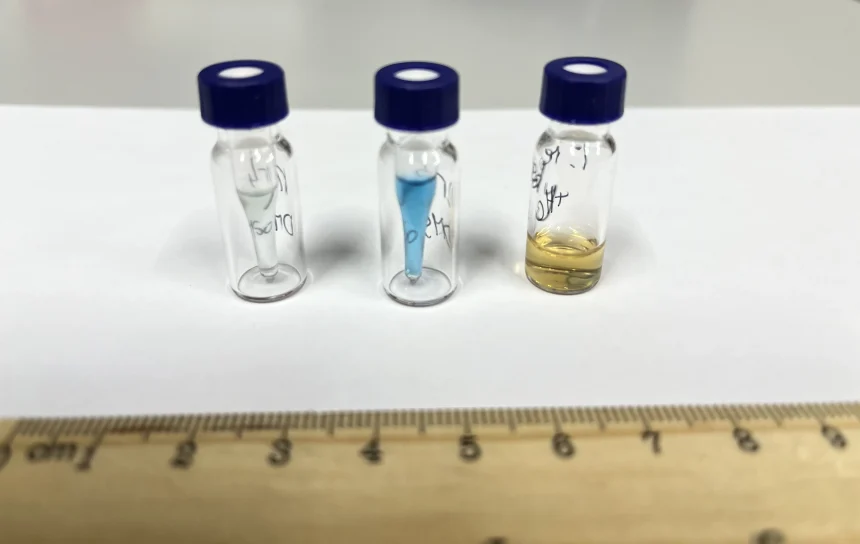
Following the thread: How chemists from University of Warsaw read history in textile fibres
Imagine someone hands you a tiny strand of colored thread and asks you to identify what it is, where it was made, and how it came to be. You’d be…
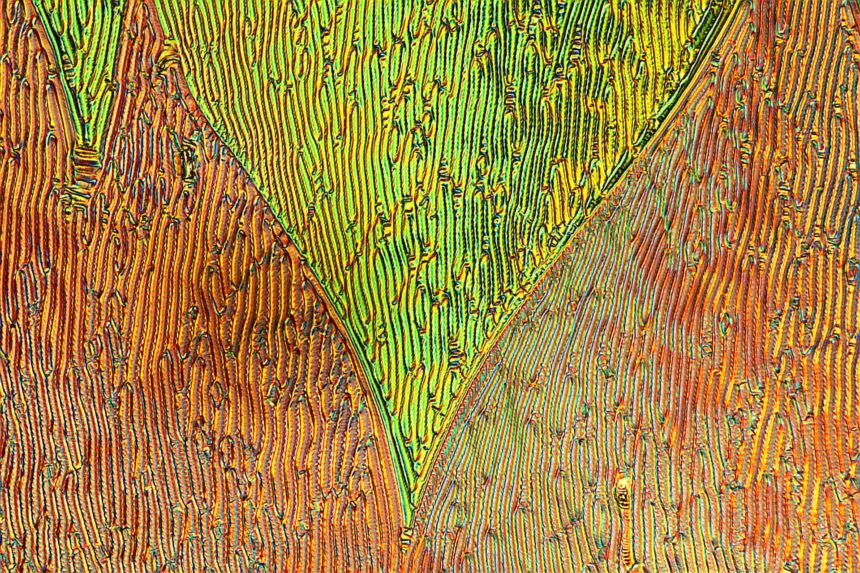
A dance of light and electricity: Extraordinary properties of a liquid crystal
Liquid crystals have long powered the screens of televisions, phones, and watches. But in recent years, scientists have been uncovering entirely new kinds of liquid crystalline phases – often with…
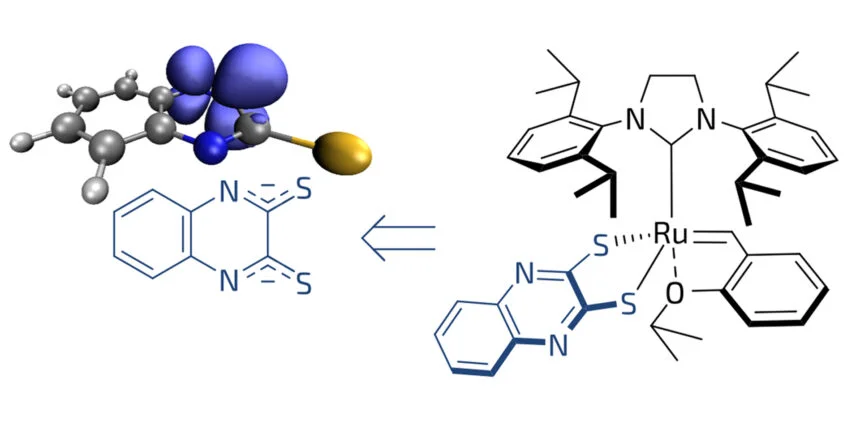
Chemistry with less “chemistry”: How scientists at UW improved a Nobel-winning reaction
In Igor Newerly’s novel The Forest Sea, set in Manchuria occupied by Imperial Japan, there is a haunting scene describing the hunting of wild musk deer in the snowy taiga…
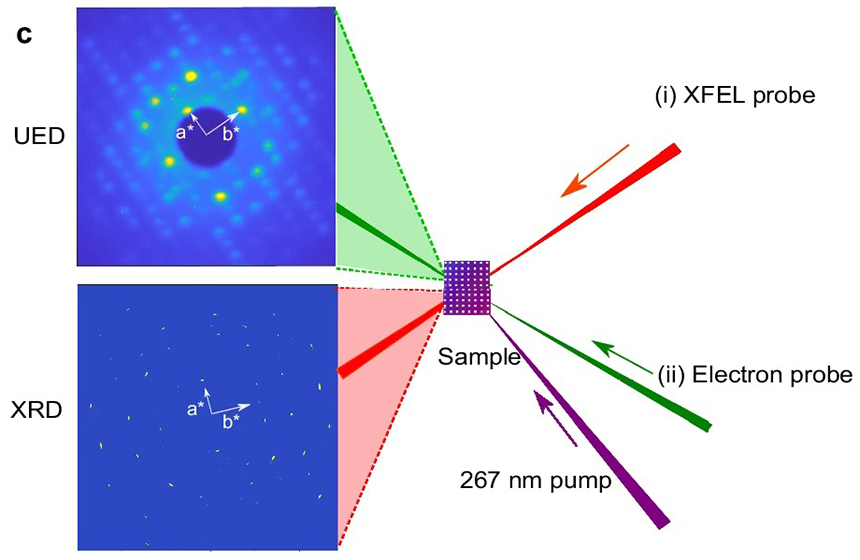
A chemical chameleon: Materials that respond to light
Chameleons are known for changing color in the blink of an eye – but nonliving matter can do something similar. Spin-crossover (SCO) materials can rapidly switch their electronic configuration when exposed…