
Veterinary care in the past: Tradition and science
Several centuries ago, the veterinary profession did not yet exist, yet landowners were able to care effectively for horses, cattle, sheep, dogs, and even silkworms.
“They drew on herbal traditions, using plants and minerals as well as knowledge passed down from generation to generation,” says Prof. Aleksandra Jakóbczyk-Gola.
Old handbooks contain remarks like, “There’s no need to write about this, because everyone does it.” What once seemed too obvious to spell out is now, centuries later, becoming a subject of scholarly research.
Prof. Jakóbczyk-Gola examined treatises, manor accounts, handbooks, and manuscripts documenting veterinary practices of the past. Her research sheds light on both the day-to-day care of animals and early efforts to prevent disease. It also reveals that specialists dedicated to animal treatment emerged relatively late. At first, they focused mainly on horses – hence the old Polish term konowały [horse doctors] – and only later expanded their work to other species.
Professional veterinary schools were not established in Europe until the 18th century. The first opened in Lyon in 1761, followed by schools in Alfort, near Paris, in 1765, and Vienna in 1767. In Poland, the first veterinary school was established in Warsaw in 1824. Over the 19th century, the field expanded rapidly, gradually establishing veterinary medicine as a medical discipline in its own right.

The old Polish school of prevention
Prevention was central to animal care in the Polish-Lithuanian Commonwealth. Herbs were given not only to sick animals but also to healthy ones, as a way to ward off illness.
“This holistic approach to animal health grew out of experience with epidemics and close observation of natural cycles,” explains Prof. Jakóbczyk-Gola.
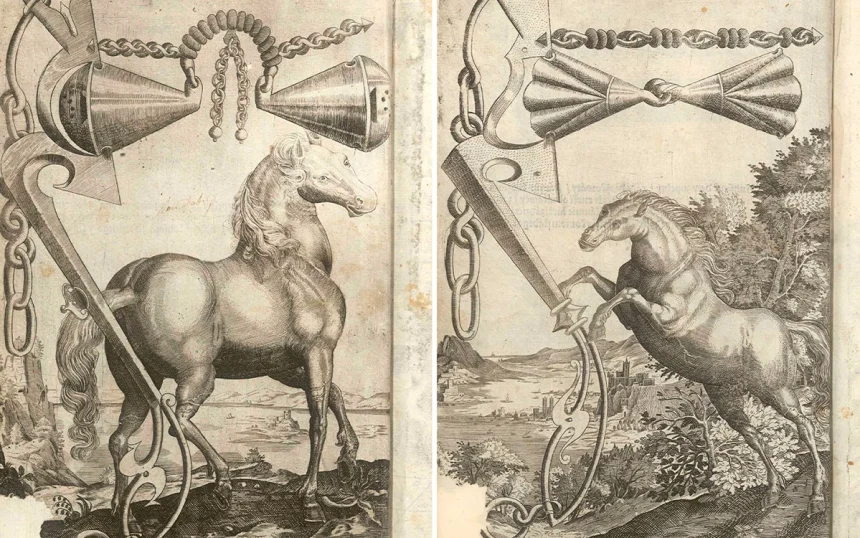
A case in point is Krzysztof Dorohostajski’s 1603 book Hippica to iest o koniach xięgi [Hippica, or Books on horses], which the researcher draws on as a window into what was known at the time about horse breeding, health, and treatment.
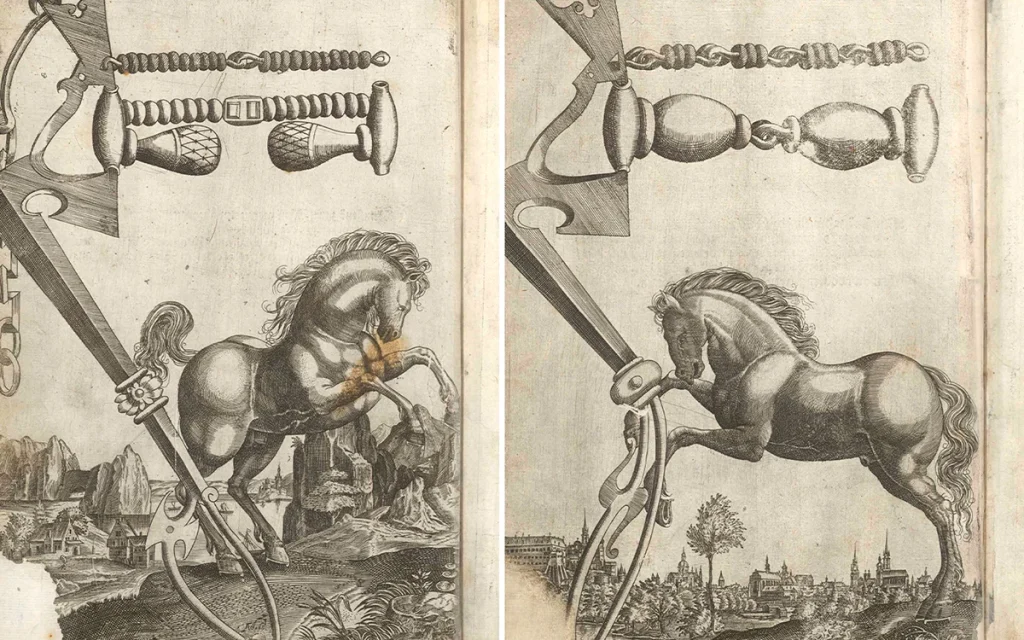
Educated in Italy, where a highly regarded equestrian and hippological tradition was flourishing, Dorohostajski describes diseases such as glanders, a dangerous infectious disease that can cause a purulent nasal discharge; strangles, an acute upper respiratory infection in foals and young horses; and scabies, a parasitic skin disease that causes intense itching. But his book also contains recommendations on hygiene and ways of isolating sick animals.
“Some of these solutions are surprisingly close to modern quarantine procedures,” Prof. Jakóbczyk-Gola adds.
Jan Ostroróg’s visionary approach
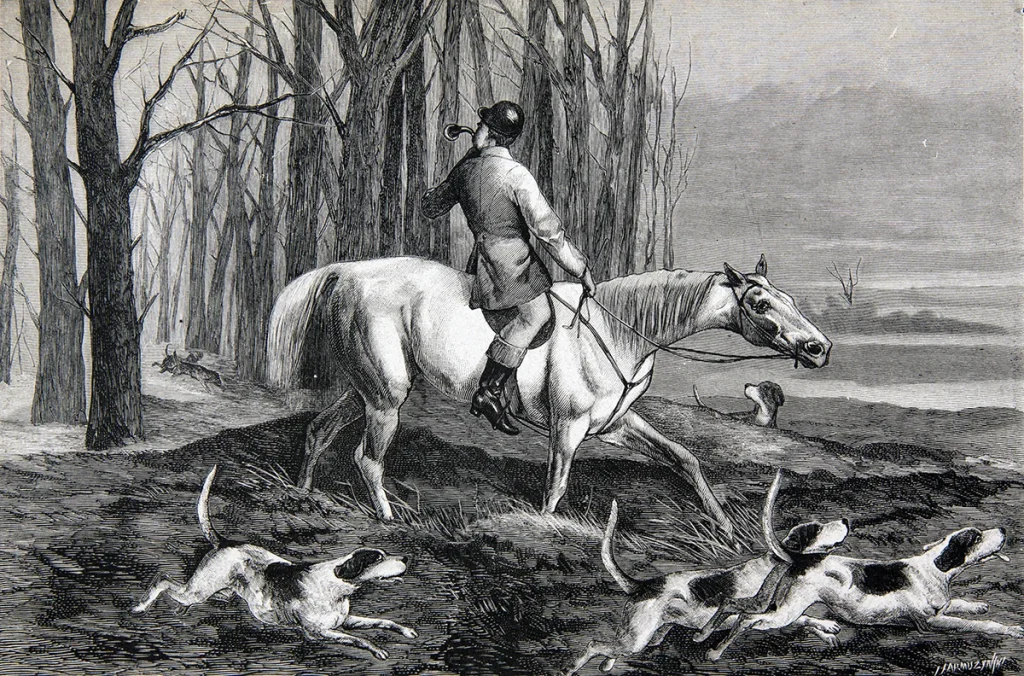
Another intriguing figure is Jan Ostroróg, author of On hounds and hunting with them (Kraków, 1608) and its later expanded version, Hunting with hounds (Kraków, 1618). Prof. Jakóbczyk-Gola looks at him not only as a writer on hunting but also as the owner of an estate in Komarno, now in Ukraine’s Lviv region. There, he ran breweries, mills, and apiaries, cultivated exotic plants, and made sure animals had enough to eat through the winter.
“This is an example of a landowner who went beyond hunting and deliberately created conditions that supported the survival of different species,” says the researcher.

A huntsman was generally responsible for both treating the dogs and looking after them, whether in the kennel or out in the field. Ostroróg’s writings suggest that paw injuries were among the most common ailments, caused by abrasions and sores from running over hard, uneven ground. Pine oil was recommended for treating these injuries, while cuts were dressed with a decoction of alder or cherry twigs mixed with alum, a mineral known for its astringent and antiseptic properties.
Skin conditions were treated with tar ointment, while the parasitic weszka – probably lice or another type of skin parasite – was treated with hemp oil. The anti-inflammatory properties of hemp-derived substances are now being studied for potential dermatological applications, including the treatment of psoriasis. Some of these old remedies are strikingly consistent with principles still used today in veterinary wound care and disinfection, and even with approaches used in human dermatology.
Exotic ingredients and advice from neighbors
Exotic plants and other imported ingredients were sometimes used to treat animals, but their high cost made them more a mark of prestige than an everyday remedy. Old Polish treatises mention spices imported through overseas trade routes, including pepper, ginger, cinnamon, cloves, and nutmeg, as well as aloe.
In everyday practice, locally available plants were much more common. These included wormwood (Artemisia absinthium), yarrow (Achillea millefolium), and plants referred to in historical sources as kurze ziele [chicken herb], whose exact botanical identity remains unknown.
Treatments for pigs and poultry were less common, though they were certainly practiced. Sick birds, for example, were given chopped lingonberry leaves (Vaccinium vitis-idaea), a plant now known for its diuretic and astringent properties and for its potential benefits for kidney function. Knowledge of such remedies was widely shared: it was passed down from one generation to the next and acquired through observing other animal breeders.
Historical sources also document the care of silkworms, whose cultivation flourished on estates in the Polish-Lithuanian Commonwealth. Particular attention was paid to keeping the rooms where the insects were kept clean and ensuring a steady supply of fresh mulberry leaves. Sometimes the silkworms were also given herbal infusions intended to protect them from disease and improve the quality of their cocoons.

The world of insects
This concern for animal health extended to insects as well, particularly bees. Sources from the period rarely offer detailed instructions for treating individual diseases, but they devote considerable attention to hive management and disease prevention.
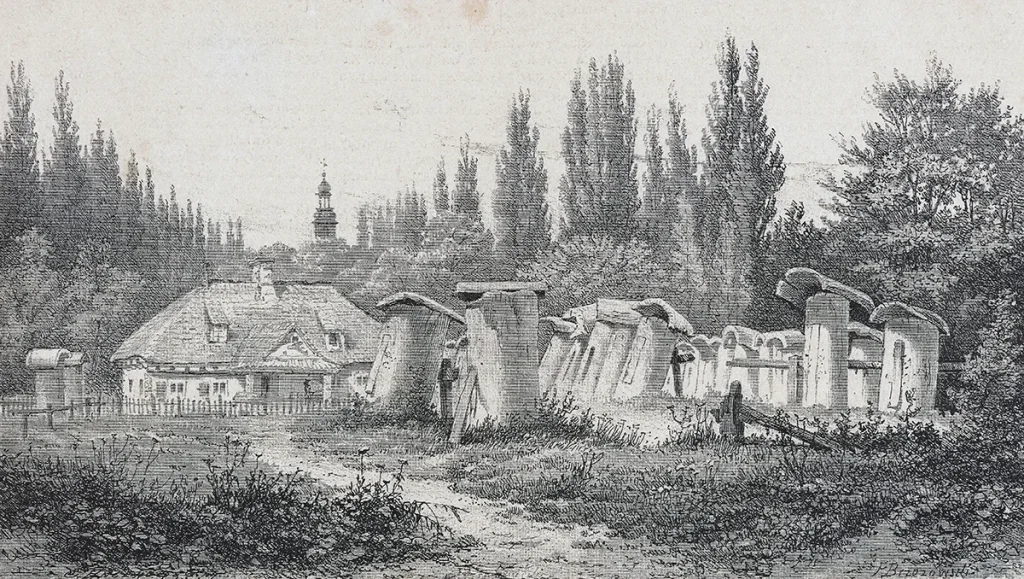
One example is Nauka koło pasiek z informaciey Pana Walentego Kąckiego Anno M.D.C.XIV w Komarnie u mnie Iana Ostroroga woiewody poznańskiego spisana [The science of apiaries, based on information from Mr. Walenty Kącki in the year 1612, written at the residence of Jan Ostroróg, Voivode of Poznań, in Komarno] considered the first beekeeping handbook written in a Slavic language. The book contains not only practical advice but also illustrations.
“Ostroróg’s short treatise on bees devotes a great deal of space to the practical side of beekeeping – breeding bees and collecting honey. He also writes about what a beekeeper should wear and how hives should be prepared. It even contains sketches,” notes Prof. Jakóbczyk-Gola. “He has little to say about treating insects, but he discusses prevention at length.”
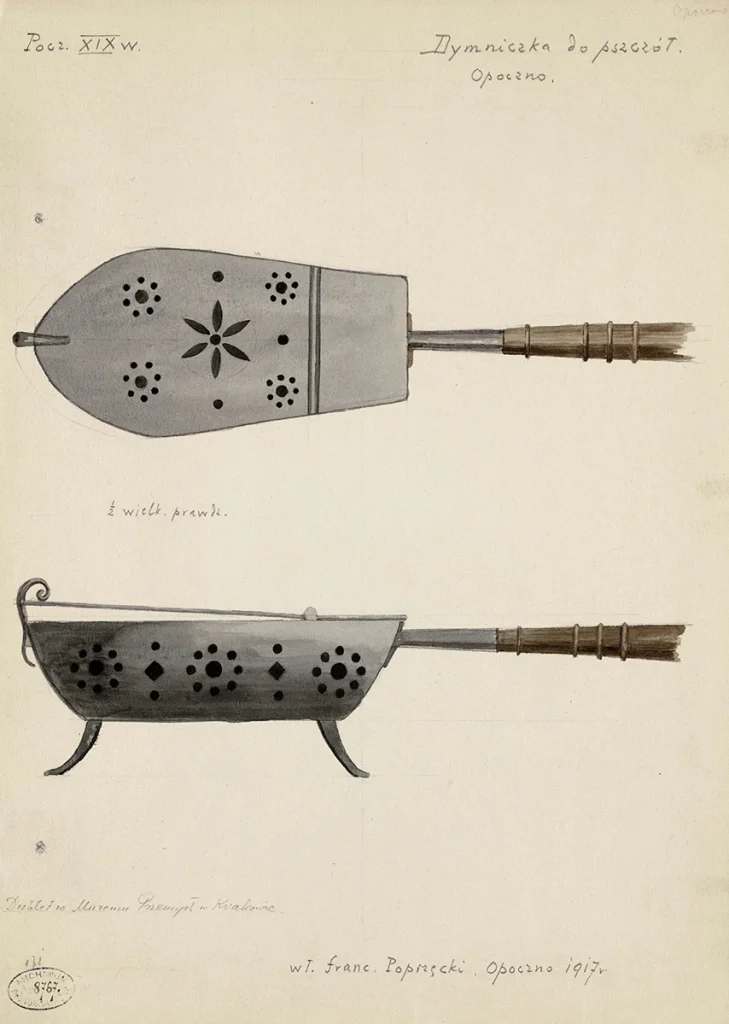
The study of bees developed particularly rapidly in the 18th century, when new methods of observation and description emerged. In Father Jan Krzysztof Kluk’s Encyclopedia, published in 1780, we learn that smoke from dried and burned herbs was used both to drive bees from the hive before collecting honey and as a treatment for the insects.
Kluk’s work was one of the first major natural-history compendia written in Polish and marked an important milestone in the development of knowledge about animals, including livestock. Bees, therefore, had an obvious place in it.
Preserves and menageries
Long before the emergence of modern zoos, Polish manors and estates were often surrounded by hunting parks. These were more than hunting grounds: they also offered opportunities to observe animals and their behavior. Such fenced-in areas held large numbers of hoofed animals, initially mainly deer and later also fallow deer. Wild boars, moose, and even European bison could also be found there.
“The earliest preserves in the Polish lands whose existence is documented in historical sources were the parks established by Władysław Jagiełło, including that at Niepołomice near Kraków, where a hunting residence had existed since the reign of Casimir the Great,” explains Prof. Jakóbczyk-Gola.
Menageries were different from preserves. They were smaller and designed primarily for displaying animals – especially exotic species – in separate enclosures.
“Animal gardens of this kind existed as early as antiquity. In Europe, they became particularly popular among English and French monarchs and the Habsburgs, whose extensive imperial possessions gave them access to exotic species from around the world,” the researcher explains.
The most famous was Louis XIV’s menagerie at Versailles, established in 1664. Its pavilion and architectural design became a model for other European royal courts.
Polish preserves and menageries played an important role in spreading knowledge about animals, plants, and ecosystems. They also gave members of the elite an opportunity to see unfamiliar species firsthand, enriching their experience of the natural world.
Modern zoos, by contrast, were designed for the general public and increasingly combined exhibition with scientific research. The first such institutions were established on Polish lands only in the 19th and 20th centuries, including the zoos in Wrocław, founded in 1865, and Warsaw, founded in 1928.
Poland in the European context: Lags and innovations
How did animal-care and veterinary practices in the Polish-Lithuanian Commonwealth compare with those in neighboring countries? There is no simple answer. In some respects, the Commonwealth lagged behind. In others, sophisticated practices helped make up for the lack of formal institutions.
Despite the institutional gap, there was a clear demand for literature on animal care in Polish. Foreign textbooks were translated, existing works were compiled and adapted, and ideas from Italian and French writings were incorporated into the emerging field of academic veterinary medicine.
This suggests that there was a readership eager for practical knowledge and that these texts addressed the real needs of animal breeders. At the same time, local experience remained crucial. People continued to rely on tried-and-tested remedies based on plants that grew in their own surroundings.
“One of my key findings was that veterinary practice in the former Polish-Lithuanian Commonwealth was not simply a practical necessity, but also an important social and cultural phenomenon,” Prof. Jakóbczyk-Gola concludes. “There were efforts to professionalize the field, and Polish-language literature on animal treatment is among the earliest of its kind in Europe.”

The choice of remedies was influenced by the climate and the availability of local plants. The handbooks often advise readers that if a particular plant could not be found, it could be replaced with another plant with a similar effect. Sometimes an exotic species is recommended, only for the author to explain immediately afterward that a local plant could be used instead.
“This is very similar to what we see in modern pharmacology, where people look for less expensive alternatives containing the same active ingredient,” says the researcher.
Ancient wisdom, modern lessons
Humans have been treating domestic and farm animals for centuries, and Old Polish texts reveal just how long and multifaceted this process was. It involved not only the gradual development of medical techniques but also a growing awareness of the need to care for the health and well-being of different species.
Modern veterinary medicine is once again exploring treatments based on herbs and other natural substances. Animal bodies are more sensitive than humans to certain medicinal compounds, meaning that effective doses may be relatively small.
Wild animals, meanwhile, can recognize and make use of the medicinal properties of plants on their own. For example, Indigenous peoples in the western United States learned about the antibacterial properties of osha (Ligusticum porteri), also known as wild parsnip, by observing bears instinctively consuming the plant when they were ill.
This behavior is now studied by zoopharmacognosy, a relatively new field that examines how animals self-medicate. Recent research suggests that some primates deliberately select particular plant species to combat parasites – for example, chimpanzees consuming the leaves of Vernonia amygdalina and gorillas eating fruits of Aframomum. They also appear to have an instinctive sense of how much to consume to achieve an effect without making the dose harmful.
The text was originally published in Polish on the Serwis Naukowy UW website on August 29, 2025.