
When the pandemic began, children found themselves in an unusual and often contradictory situation. On the one hand, their dependence on adults increased. For a time in Poland, people under 18 were not allowed to leave their homes without an adult (later the limit was lowered to age 14). On the other hand, children were also portrayed as a potential risk to others and therefore expected to behave responsibly.
Their situation was further complicated by the fact that schools responded differently to the new reality. It took more than two weeks before the first nationwide regulations on remote learning were introduced. As a result, the world children knew – along with the rules that structured it – changed almost overnight. Spaces that had once been clearly separated suddenly merged. Home became both classroom and playground, while places associated with carefree fun began to feel potentially dangerous.
Researchers from the Childhood Studies Interdisciplinary Research Team at the Institute of Ethnology and Cultural Anthropology at the University of Warsaw examined how Polish children coped with lockdown through play. The main goal of the study was to understand how children themselves interpreted this unprecedented situation – one in which familiar boundaries such as safe–unsafe, home–school, and sick–healthy suddenly lost their clarity.
“Stay at home!” — the pandemic from children’s perspective
The researchers based their analysis on three initiatives launched in Warsaw during the pandemic.
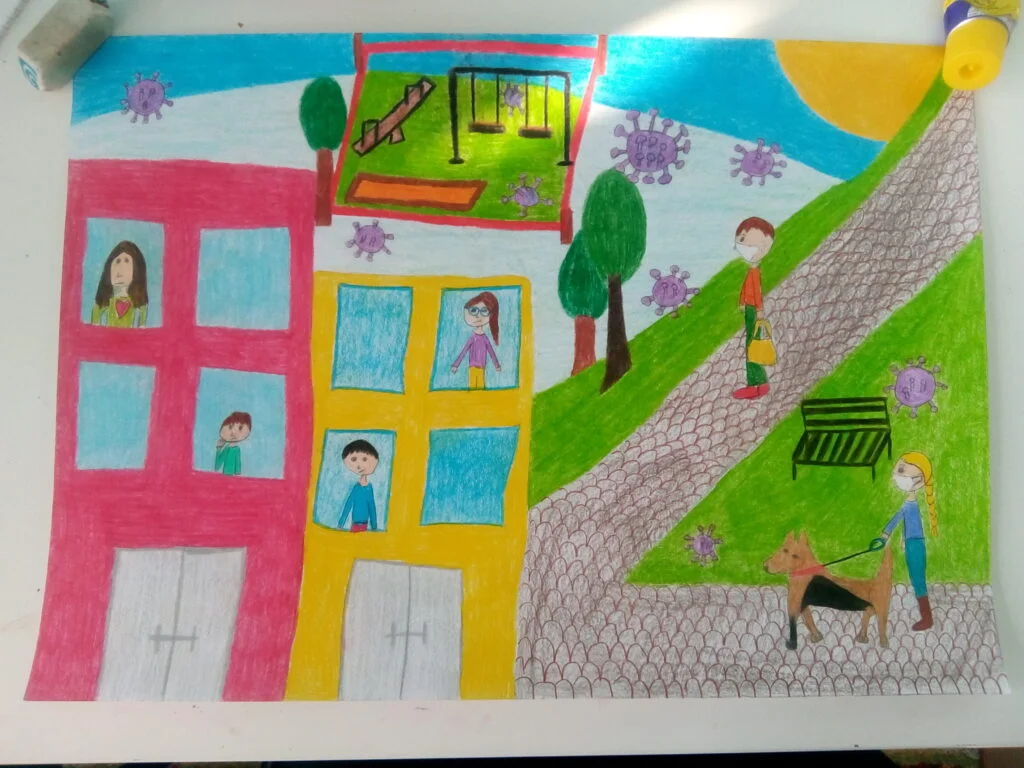
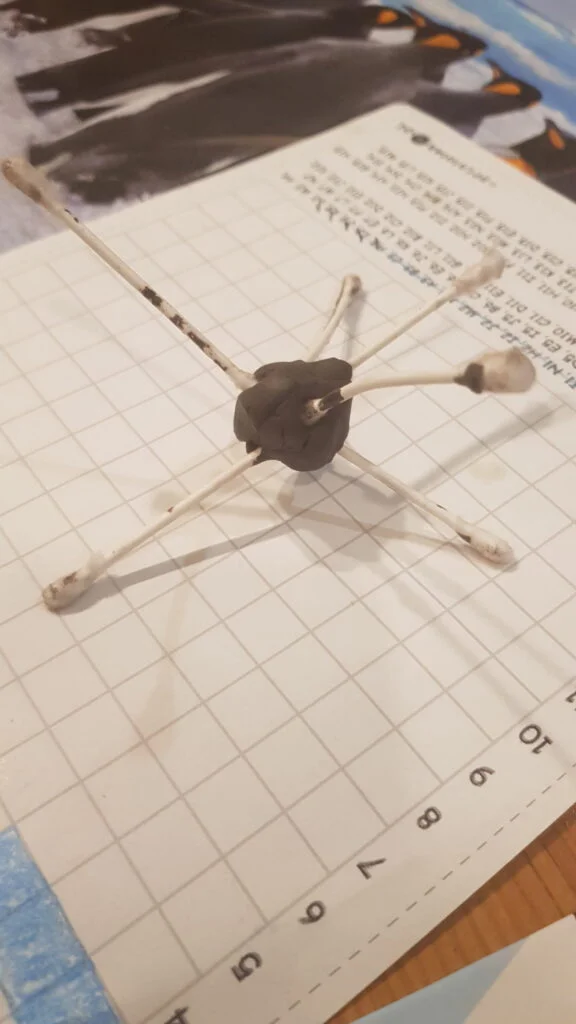
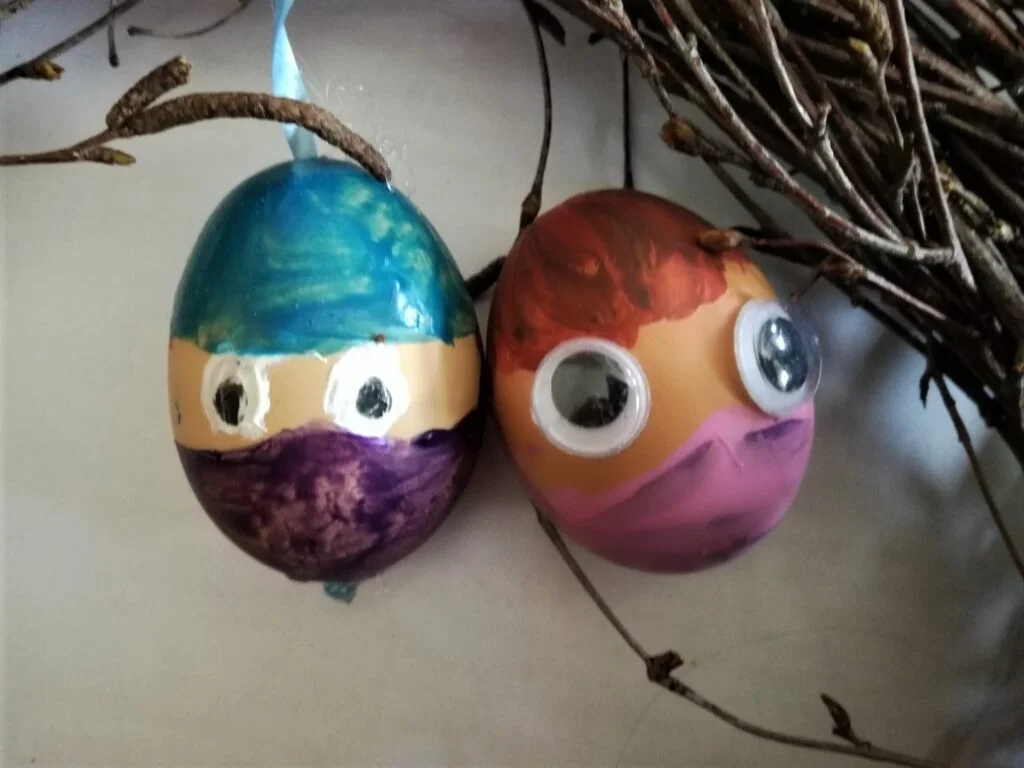
The first began in March 2020: the Children’s pandemic archive, an online collection of children’s works created during lockdown. The archive gathered drawings, photographs, texts, and even school assignments that reflected children’s experiences of the pandemic.
The second project, Change. Children’s experience of the pandemic, focused on preschoolers and was conducted in cooperation with preschool teachers. In addition to research, the project aimed to create activities that helped children express their thoughts and feelings about the new reality.
The third project involved a series of individual and group tasks carried out with children aged 5–7 and 7–9. One activity asked participants to create a pandemic “time capsule.” This research took place in 2023 and explored how children reflected on the experience several years later.
Each initiative offered a slightly different perspective on how children translated this unprecedented situation into their own language.
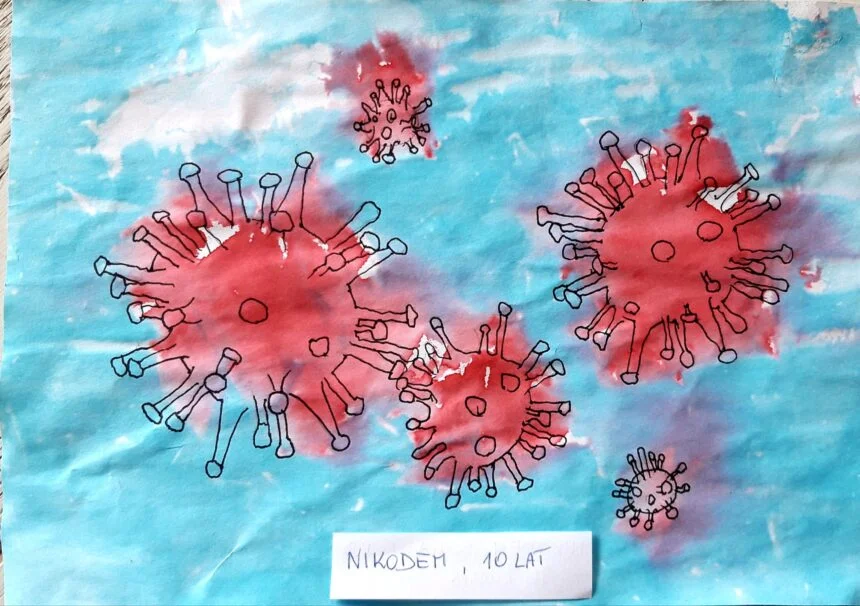
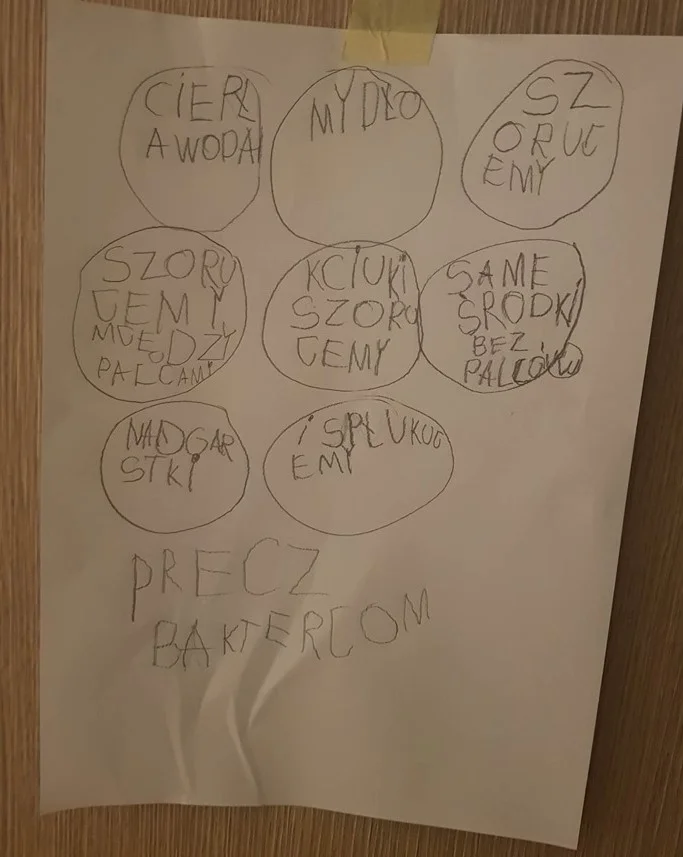
“At the beginning of the pandemic, children were portrayed as having a special responsibility,” explains Prof. Ewa Maciejewska-Mroczek from the Institute of Ethnology and Cultural Anthropology at the University of Warsaw. “They were told that although they themselves might not get seriously ill, they had to wash their hands and follow hygiene rules to protect others. In the archive, it was clear that children had adopted this narrative. We saw drawings of children fighting the coronavirus or step-by-step instructions for proper handwashing. What surprised us most, however, was how strongly children associated the pandemic with boredom and longing. I initially thought this might be more of an adult narrative. But while there were positive emotions too – such as enjoying not having to get up early – boredom and the desire to see friends again clearly dominated.”
Childhood studies in extraordinary circumstances
Similar research projects were carried out around the world at the same time. One example is the children’s pandemic archive created by researchers in Ireland.
Because of lockdown restrictions, scholars often had to develop entirely new research methods adapted to pandemic conditions. Despite differences in local circumstances, many similarities emerged in how children across countries experienced the pandemic. At the same time, important differences reflected specific cultural and social contexts.
The study conducted by anthropologists from the University of Warsaw filled an important gap in Polish research. Until then, no comparable project had explored children’s perspectives on the pandemic in Poland. As a result, the team not only documented the experiences of Polish children but also contributed valuable insights to the international field of childhood studies.
After the pandemic: studying children’s memories
The pandemic has now passed, and the children who participated in the research are growing up. Researchers are therefore beginning to ask a new question: what do children actually remember from that time?
Scholars from the University of Warsaw are continuing their work by examining how the pandemic is remembered today. It is still too early to draw firm conclusions, but it is possible that what once seemed like a defining generational experience may fade more quickly than expected.
Almost immediately after the pandemic ended, Polish children were confronted with another dramatic event: the outbreak of war across Poland’s eastern border. Researchers suggest that, for the youngest generation, memories of COVID-19 may become intertwined with other crises – much like the trauma of the Great Influenza epidemic overlapped with the experience of World War I.
At the same time, the Warsaw researchers emphasize that their work is more than just a case study. It also encourages a broader reflection on how societies treat their youngest members.
“We hope our research will encourage deeper reflection on the position of children in Polish society,” says Prof. Maciejewska-Mroczek. “Abroad, there is already a strong tradition of childhood studies, and we want this field to develop in Poland as well. For some time now, whenever we publish an academic book, we produce two volumes: one written in academic language and another in much simpler language that children can understand. This is our own idea – I haven’t heard of anyone else in the world doing something quite like it.”
The text was originally published in Polish on the Serwis Naukowy UW website on March 3, 2025.