

Where there is fame, there is also wealth. Football is far more than a pitch and spectacular gameplay – it’s a multi-billion-dollar industry. In Poland, as across Europe, football reigns as the most popular sport. It generates about a third of all revenue from the country’s professional sports market. In 2019, media sponsors’ profits from football totaled roughly PLN 1.7 billion, surpassing earnings from ski jumping and volleyball. But what happens behind the scenes of marketing Poland’s most popular sport? And how do technological advancements and social media shape PR strategies and sponsorship opportunities?
More than just a ball and two goals
The history of sports sponsorship in Poland is closely tied to the country’s political past. During the communist era, football clubs were funded by state-owned enterprises, and marketing tools were rarely used. Today, remnants of that era survive in club names: Górnik, Kolejarz, Stal – all reflecting their industrial affiliations (mining, rail transport, heavy industry). Others, like Gwardia, were linked to ministries of uniformed services, mainly the police or military.
The political and economic transformations of the 1990s brought major shocks. Many clubs, unable to adapt to new funding structures, did not survive. During this turbulent decade, the role of sponsors often fell to wealthy private individuals. The period was marked by ownership and financial scandals, as well as games in poorly maintained stadiums. Yet there were successes too, such as Widzew Łódź and Legia Warsaw reaching the UEFA Champions League group stage.
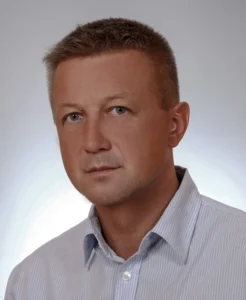
Today, football clubs in Poland are mainly sponsored by state-owned companies or municipal governments. However, Prof. Jarosław Kończak from the Faculty of Journalism, Information, and Book Studies at the University of Warsaw, an expert on the history and theory of sports sponsorship, notes an untapped potential: despite opportunities like Euro 2012, Polish football has yet to secure permanent backing from major international corporations.
Theory meets practice
Do Polish companies fully grasp effective communication mechanisms? How does theory translate into practice? Prof. Kończak’s research involved 26 questions answered by 35 of Poland’s largest sports sponsors and 22 in-depth interviews with sports professionals.
The findings reveal gaps between theory and practice. Globally, most sponsors report spending equal or greater amounts on communication and promotion than on brand rights. In Poland, fewer than 25% of companies follow this approach. Similarly, the use of social media in marketing is far more extensive in Western countries than in Poland.
The behind-the-scenes dynamics of financing and marketing in European football are explored in “The Political Economy of European Football: Perspectives from Central and Eastern Europe,” a volume that includes two chapters co-authored by Prof. Kończak. His research explores not only effective sports marketing but also what makes Polish sponsorship unique. Studies like this – bridging science and business – reveal how history, politics, and finance shape what happens on the pitch. Professional sports, especially football, are influenced by factors far beyond the arena.
“Football is so widespread that selected research topics may interest any audience,” Prof. Kończak explains. “But they’re particularly appealing to those who see the sport not just on the pitch, but also through its broader business, organizational, and communication dimensions.”
Big Emotions, Big Money
So, what drives successful sponsorship in modern football? The key is connecting with fans’ emotions. This requires a marketing strategy that cuts through the noise. Enter 360-degree communication – the simultaneous use of diverse channels, from traditional media to social media. Sponsors leverage popular players as brand ambassadors and produce engaging content that reaches everyone involved in the sport, from casual fans to shareholders and corporate stakeholders.
Technological advances and the ongoing digitization of sports events pose new challenges. Each breakthrough, app, or platform calls for new types of content tailored to previously untapped audiences. Integrated, multi-channel action is essential.
“Football sponsorship, like other sports, has unique characteristics,” Prof. Kończak notes. “But the categories of rights, communication methods, storytelling around sponsorship, and character-building are broadly similar. Football and its emotional pull are universal, bridging audiences across countries.”
Fans are far from passive spectators. They share emotions online, run fan websites, and shape the narrative. Effective advertising builds relationships with them. Athletes inspire trust and motivate engagement. Sponsors benefit from this while also pursuing non-monetary goals: brand recognition, association with success, and participation in corporate social responsibility initiatives.
Politics also plays a role. Government institutions influence the marketing landscape by regulating what products and services can be advertised in sports.
The text was originally published in Polish on the Serwis Naukowy UW website on February 28, 2025.