

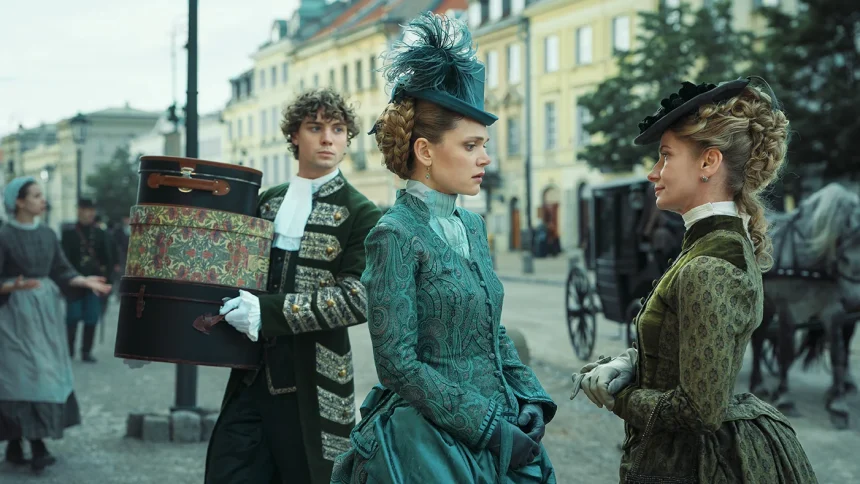
Interpreting the 19th-century soundscape offers a new way of looking at the relationship between Stanisław Wokulski, the novel’s ambitious protagonist, and Izabela Łęcka, the aristocratic woman he falls in love with. It exposes the hypocrisy of the salon – and shows why sound can be such a powerful way of making sense of reality.
Literary scholars have traditionally viewed the realist novel as a genre dominated by sight. We all remember the descriptions of characters, buildings, and clothing from our school days. But Dr. Magdalena Krzyżanowska of the University of Warsaw’s Faculty of Polish Studies challenges that assumption in her book In the World of Sounds: Listeners in Polish Prose from 1864 to 1918. Her work draws on the international, interdisciplinary fields of sound studies and audioanthropology.
“I was particularly interested in whether we could spot patterns in the ways different writers – Bolesław Prus, Maria Konopnicka, and Władysław Stanisław Reymont – write about sound. I wanted to understand how they perceived it, what meanings they attached to it, and what this can tell us about the world their characters – and their readers – inhabited,” says Dr. Magdalena Krzyżanowska.
Dr. Krzyżanowska went beyond simply looking for onomatopoeia – words that imitate sounds. She examined how acoustic phenomena are represented in literary texts and how they affect the people who experience them. To do so, she used the concept of the audiosphere – the acoustic environment that surrounds us and is shaped by the sounds around us, from speech and noise to… silence. A key concept in her research is the point of listening (analogous to the point of view): the character’s spatial position as an active listener and interpreter of auditory stimuli.
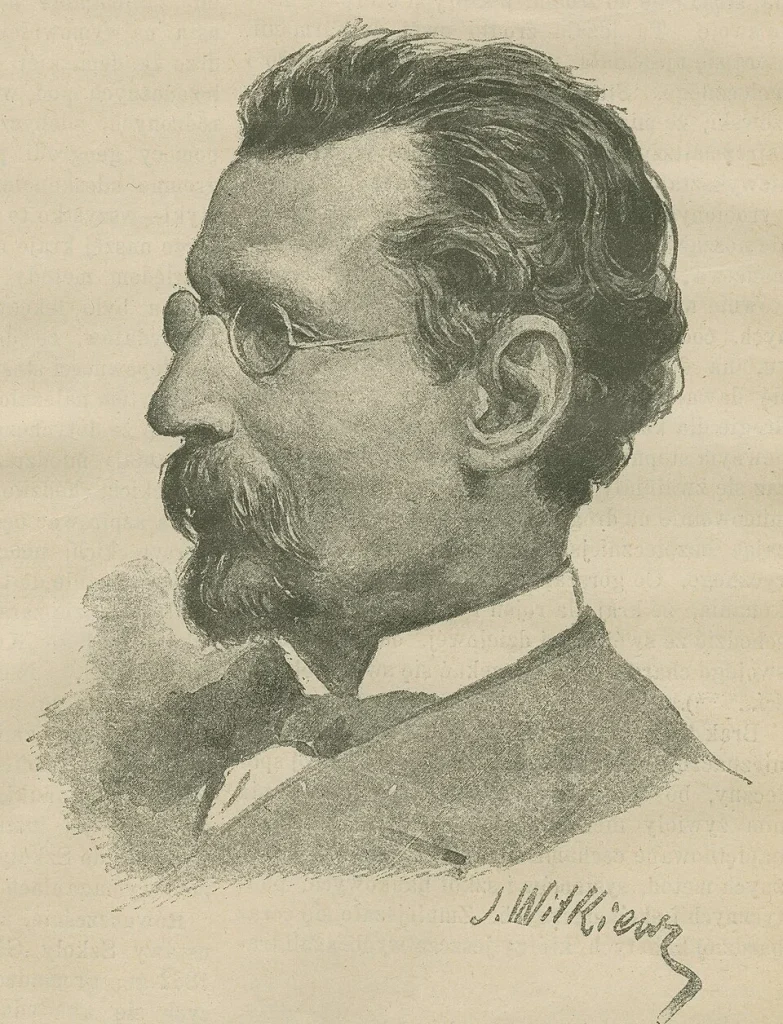
Prus’s Ear
Prus has traditionally been seen as a writer who privileges sight over the other senses, with characters who keenly observe the world around them. Dr. Krzyżanowska’s research tells a different story. For the author of The Doll, observation is not just about looking – it is about listening, too. Prus himself wrote about this in his notes, describing attention as focusing the senses and the mind on a particular stimulus while tuning out the noise in the background.
“Prus understood observation as both looking and listening. Wokulski is our main observer – the character we follow most closely. He enters the city as an outsider, stepping into a new world and watching the aristocracy. Prus shows us how Wokulski experiences these unfamiliar spaces and gradually learns to read them. And that’s where hearing becomes crucial. The aristocratic world of The Doll is a world of spectacle, governed by conventions and full of social games. People rarely say what they really mean. Much happens behind the scenes, so you need a keen ear to catch a false note in someone’s voice, a whispered conversation, or even something not meant for you to hear,” says the researcher.
For Prus’s characters, their ears often prove more reliable than their eyes. Sight can be fooled by appearances and illusions. Hearing, by contrast, picks up subtle signals – and sometimes catches danger before it arrives.
The sounds of suffering
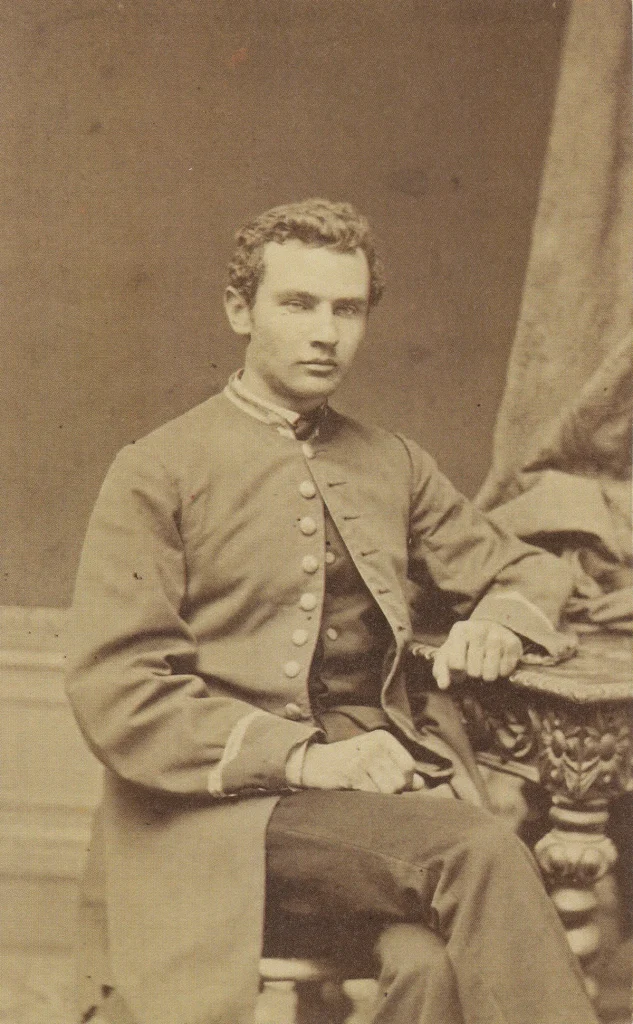
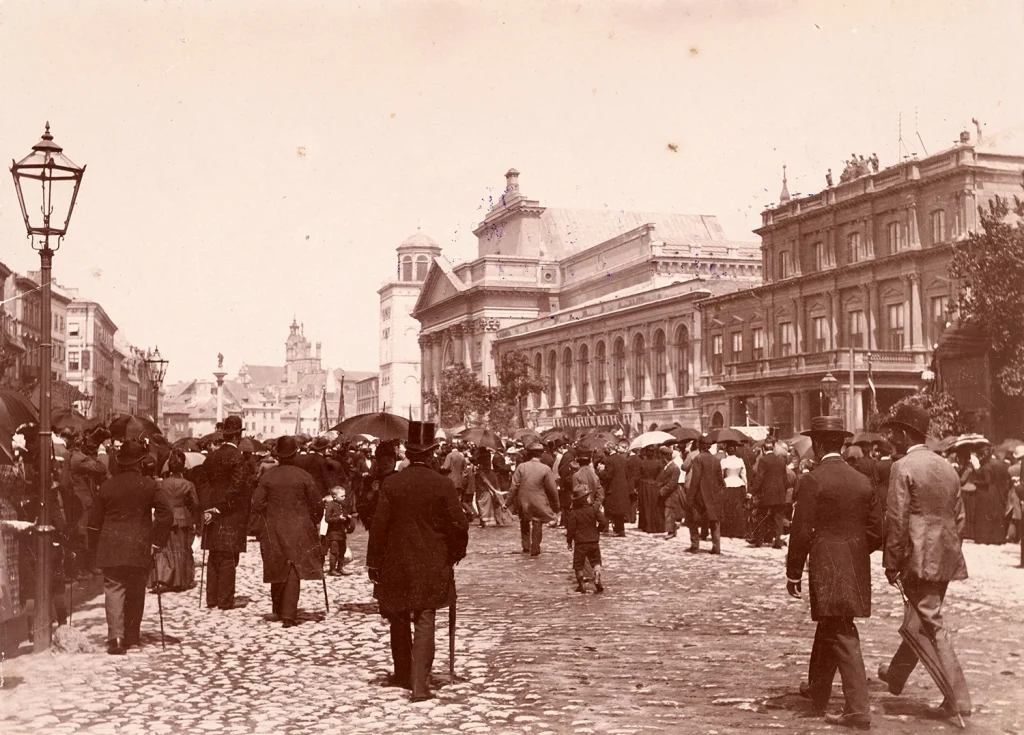
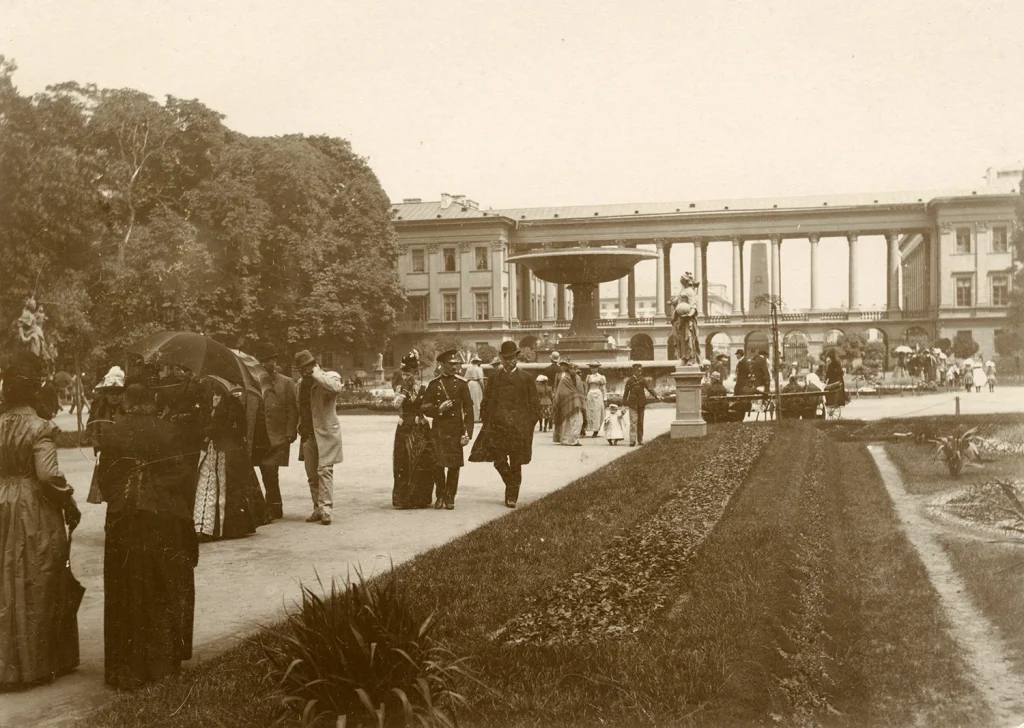
Prus portrays Stanisław Wokulski as a keen listener to the city’s audiosphere. What he hears – and how he experiences it – changes with the places he moves through.
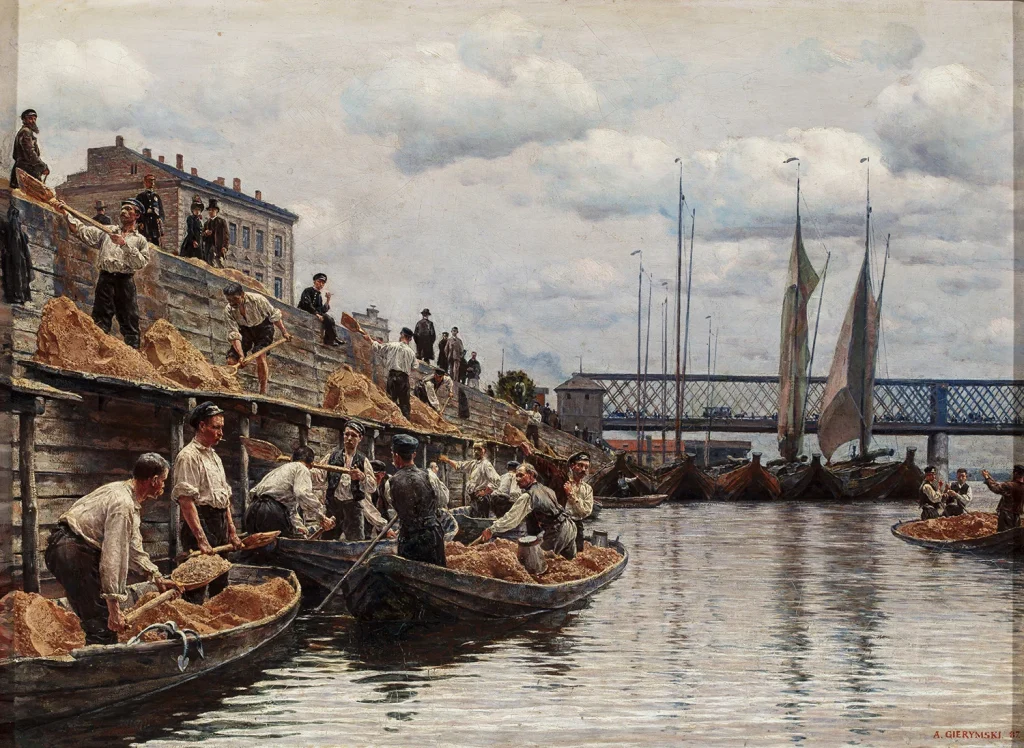
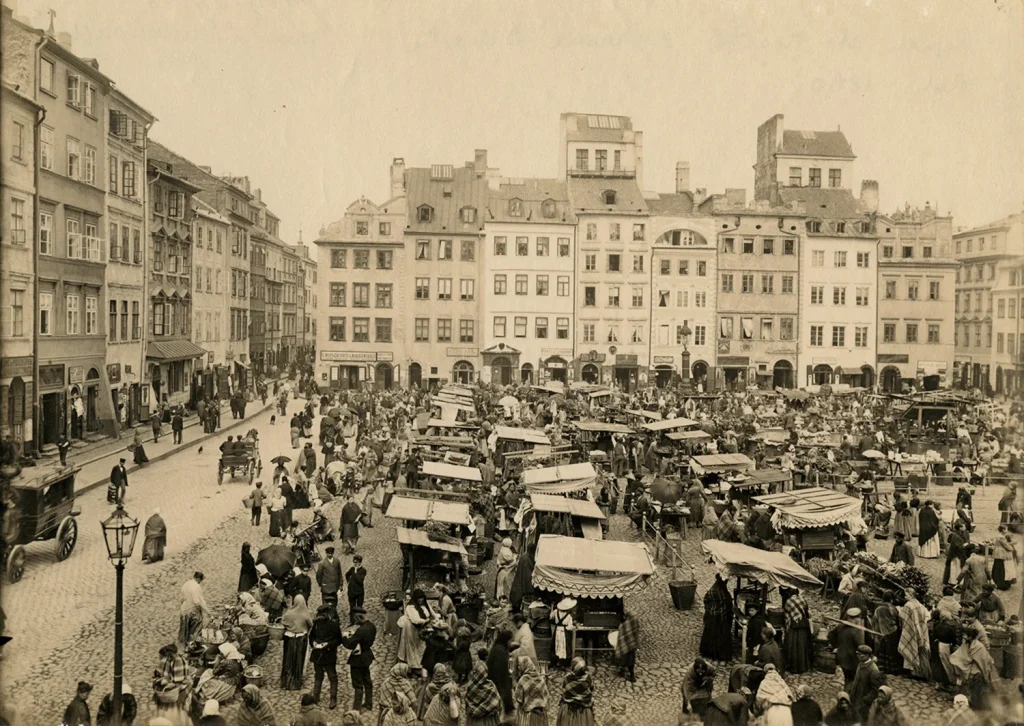
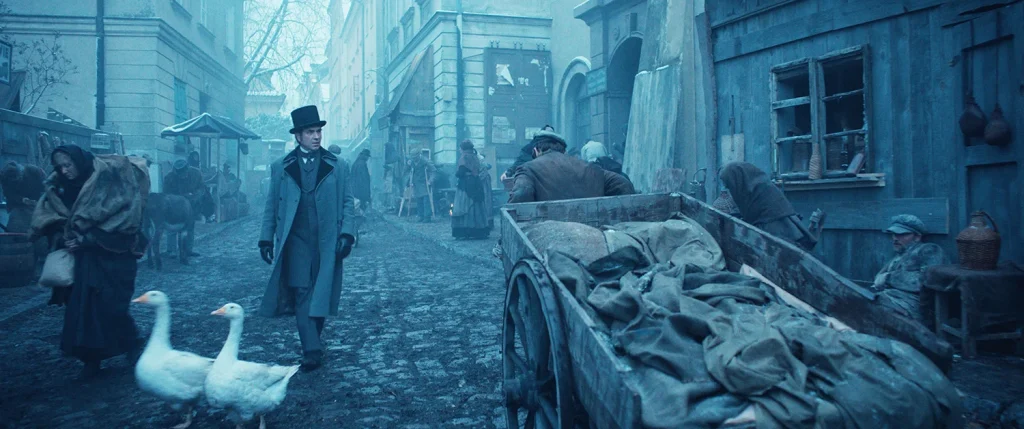
Walking through Warsaw’s poorest neighborhoods, including Powiśle, he hears exhausted horses whinnying, gravel crunching underfoot, and the groans and moans of people doing hard physical labor. Dr. Krzyżanowska points out that Wokulski picks up on “sounds of suffering” coming not just from people and animals, but from the world around him as a whole. The pain he hears resonates with his own inner turmoil, producing what Prus called współdźwięczność – a kind of emotional resonance or “sounding together.”
“Wokulski hears sounds of suffering not simply because people groan with pain as they work. The whole world seems to cry out and ask for help – people, animals, horses, even the pavement beneath their feet. It resonates with Wokulski’s own suffering, leading him to empathize with what he hears – that is, to experience współdźwięczność – “sounding together.” He can see it, hear it, think it through, and draw conclusions from it. Sound gives him access to a reality beyond the spectacle he encounters, somewhat from the outside, in aristocratic salons,” says Dr. Krzyżanowska.
When Wokulski steps into the courtyard of a tenement building, he hears the tap-tap of a shoemaker’s hammer, pigeons cooing, “the monotonous sounds of a pianoforte and a shrill soprano singing scales could be heard: ‘Do re mi fa…’” Then comes “a strong masculine bass voice.” Then he hears “an unmistakable sound, and a stream of water poured down from the third floor, hitting the outstretched head of Mrs. Krzeszowska and splashing all over the yard.” Wokulski thinks to himself, “A cheerful house, no doubt about it.” The building’s audiosphere is made up of the noises of everyday life, while shouts, calls, and the sound of water being thrown become audible traces of the conflicts between its residents.
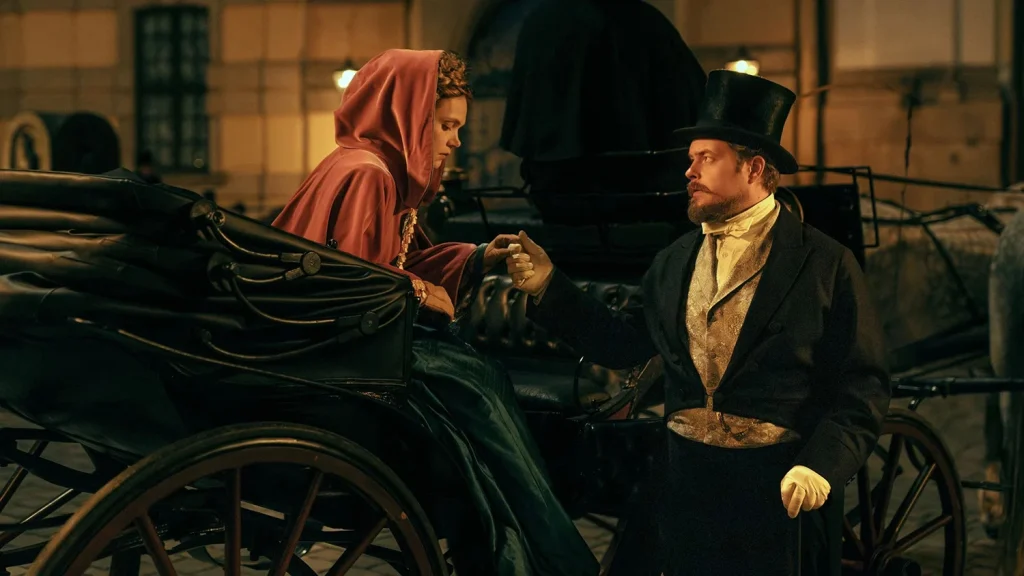
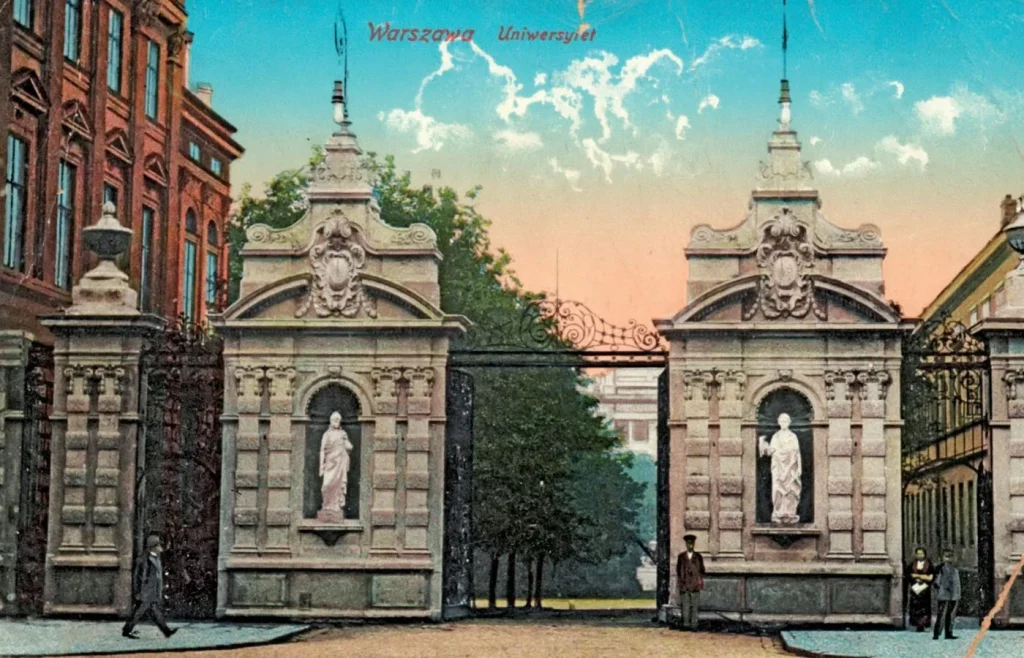
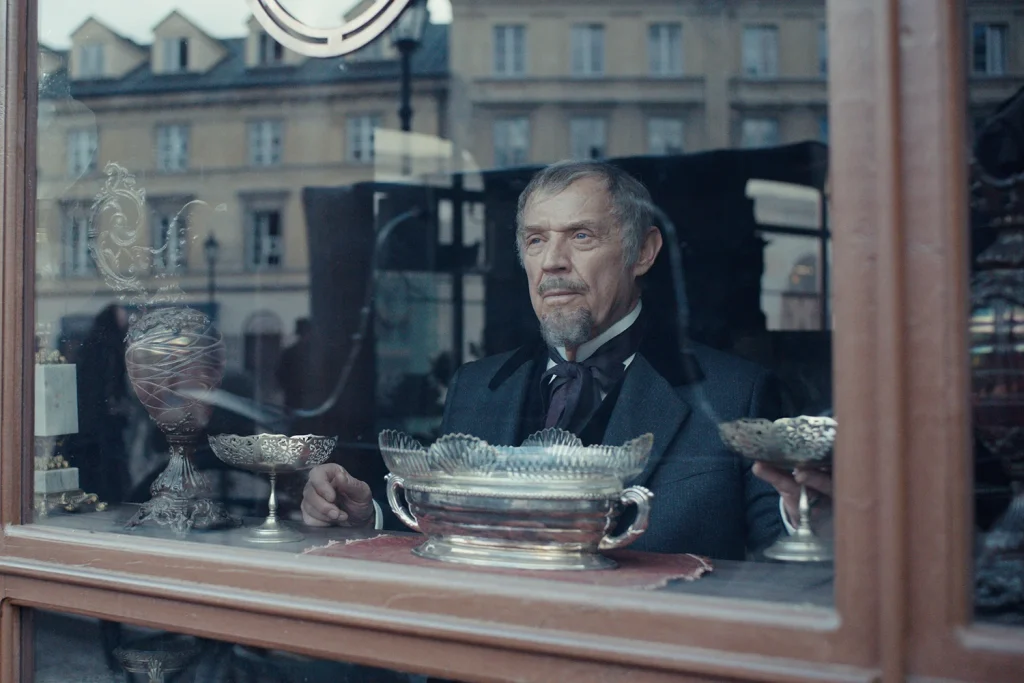
The aristocratic salons – also brought to life in Paweł Maślona’s TV adaptation – tell a different story. Despite his exceptionally sharp ear, Wokulski reveals that he has not mastered the unwritten rules of upper-class society. His social awkwardness comes through in conspicuous sounds: he knocks into a tray, announcing his arrival at a party with a crash, or suddenly chokes at the dinner table.
In the world of 19th-century social conventions, the right to make yourself heard was a privilege of the elite. Those from lower social ranks were expected to know their place – and keep quiet.
“Culture shapes what we hear – and what we don’t. But there’s another important point: even the right to make a sound has cultural meaning. In the TV series, for example, when the aristocrats party in Zasławek, they’re constantly breaking things, smashing things, shouting, behaving in ways that are hardly refined. But they’re allowed to. When Wokulski chokes at dinner, which is a perfectly normal human reaction, or accidentally bumps into a waiter carrying a tray, something that can happen to anyone, it’s immediately noticed and ridiculed. He’s not allowed to draw attention to himself, because that only highlights how out of place he is. He has no right to make mistakes. He’s not supposed to be loud,” says the researcher.


Izabela’s keen ear
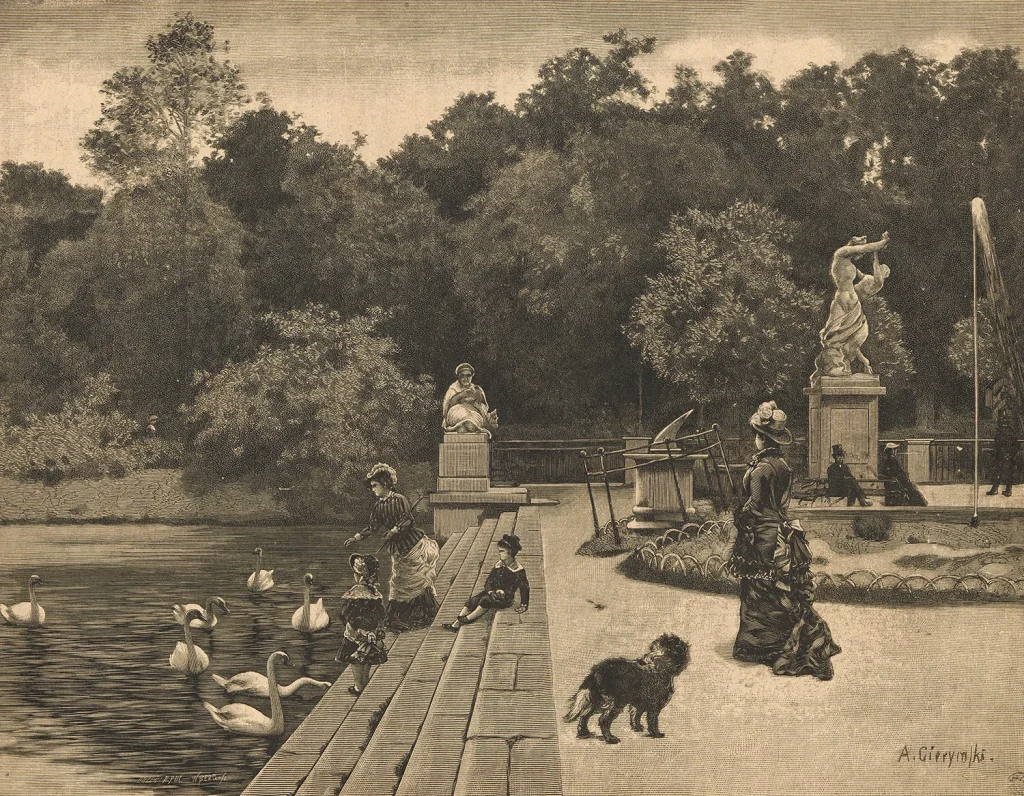
Izabela Łęcka listens very differently from Wokulski. Prus explicitly describes her as having a “quick ear.” For her, listening is part of the social games and seduction of the salon. Miss Łęcka can listen to someone with such intense attention that she seems to “long to drink up the speaker’s soul.” – a learned social skill.
“Both Wokulski and Łęcka have a good ear, but what’s interesting is that they listen to slightly different things, and in slightly different ways. For Izabela, listening is part of the performance, part of seduction. She listens very closely to the person she’s talking to and makes it clear that she’s engaged. That’s part of the social game. Łęcka is constantly surrounded by people and a world built on appearances – something, let’s say, detached from reality,” Dr. Krzyżanowska explains.
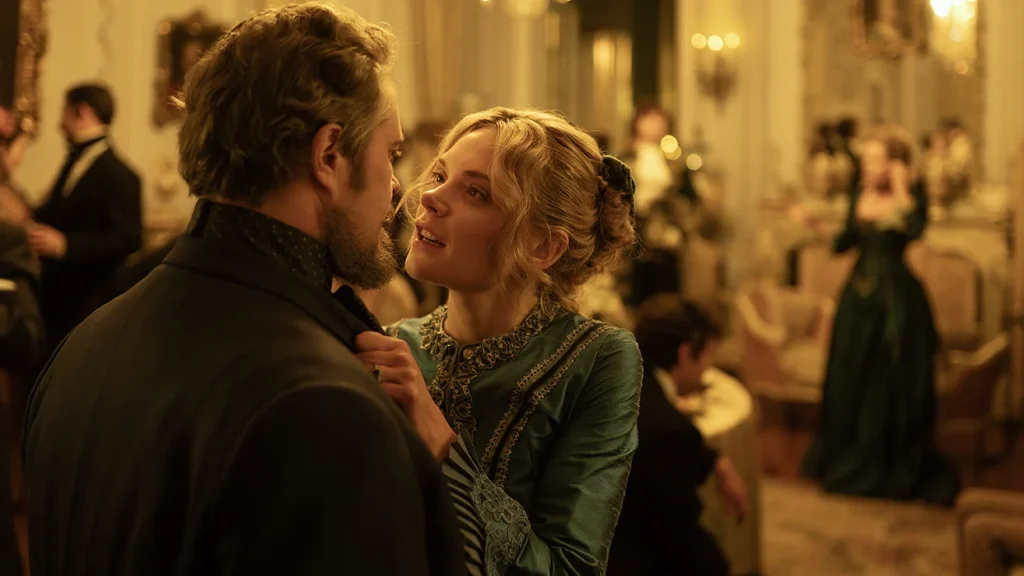
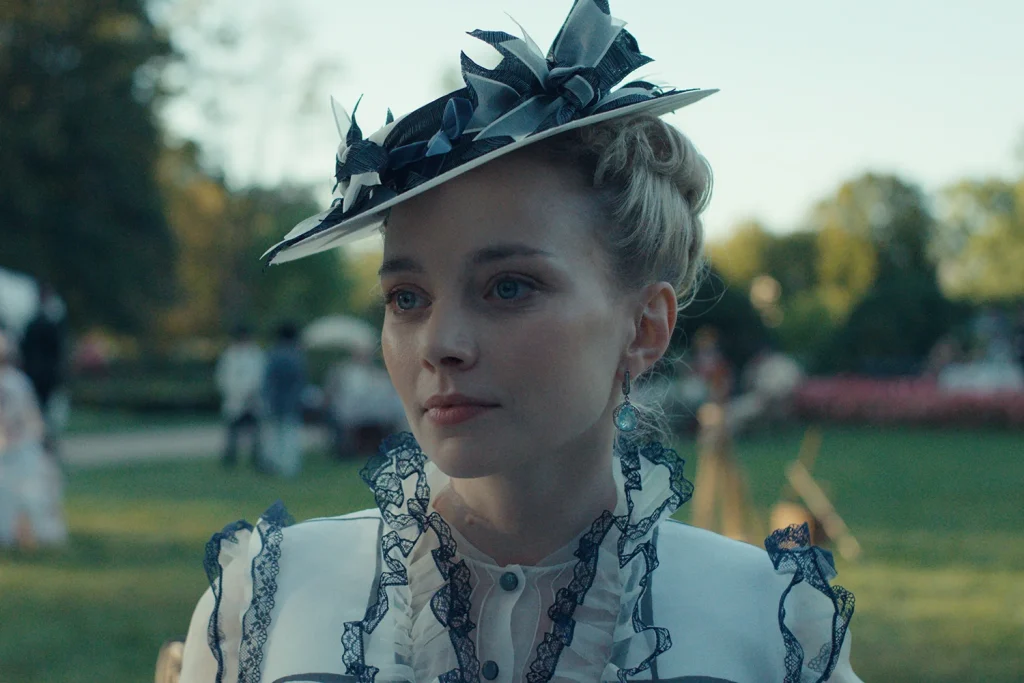
In Netflix’s new series, Izabela is no longer portrayed as a passive doll. This new interpretation gives her a voice and puts her physicality front and center. She expresses her emotions through sudden screams and raw vocal expression. In doing so, she breaks with the 19th-century stereotype of the ‘well-bred’ woman, symbolically asserting her own agency.
“Being loud can be held against you, but it can also be a sign of privilege. Women who demanded their rights were called shrill and criticized for shouting, because women were expected to behave differently. Suddenly, they were taking over space that wasn’t meant for them. A scream draws attention to the body, and from a 19th-century perspective, that was not desirable, especially for women. They weren’t supposed to put their bodies on display in public, particularly women from the upper classes. This comes through very clearly in the scene where Sandra Drzymalska opens her mouth wide as she screams. The sound seems to come from deep inside her, and I think that captures very well what a scream can mean socially. It’s a sudden assertion of the self, of the body – a way of pushing your emotions and experiences out into the world. It can be read as an act of emancipation, because being loud, being noisy, draws attention. It makes us see the agency being expressed,” says the researcher.
Eavesdropping as a key to reality
A pivotal scene takes place on a train, when Wokulski overhears Izabela and Starski speaking in English. What matters here is not what he sees, but what he hears. He listens to the tone of their voices and realizes that their light, easy conversation conceals something deeply compromising. The illusion he has built up comes crashing down. His reaction says it all: “Cheat!… Cheat!…”
Eavesdropping and listening are recurring ways of getting at the truth in Prus’s work. By listening in on conversations, his characters can step back from the situation, check whether rumors are true, see through appearances, and get to the heart of what is really going on.
The sounds of the series
Sound is a key part of how the six-part The Doll series builds tension. In some of the most dramatic scenes, what happens is deliberately kept off-screen. When Tomasz Łęcki shoots a horse, for example, the camera stays on Izabela’s terrified face. We hear the gunshot, but we never see what caused it. For a moment, we’re left wondering: what just happened? The sound is our only clue.
The series also plays up the contrast between the quiet, almost invisible presence of the lower classes and the loud, rowdy revelry of the aristocracy in Zasławek. The ominous score adds another layer, creating a sense that the social order is beginning to unravel.
“The music is hugely important in the series. At different moments, we hear music that is serious, dark, foreboding, and unsettling—sometimes slow, sometimes fast. It signals danger and the breakdown of the world as people knew it,” says Dr. Krzyżanowska.
Sight or sound?
Returning to a literary classic through the lens of sound studies reveals the multilayered sonic world of Bolesław Prus’s novel, while paying attention to its audiosphere teaches us to listen more closely.
In an age dominated by visual overload and image-driven culture, The Doll reminds us that the most important meanings may be hiding beyond what we can see.
A feature-film adaptation of The Doll (2026), directed by Maciej Kawalski, has just hit theaters.
Translation note: All English translations of passages from Bolesław Prus’s The Doll quoted in this article are from David J. Welsh’s translation, revised edition, with an introduction by Stanisław Barańczak (New York Review Books, 2011).
The text was originally published in Polish on the Serwis Naukowy UW website on September 29, 2026.