

The popularity of plant-based cuisine in the capital of our country proves that Poles are open to new food trends. For years, Warsaw has ranked high among the most vegan-friendly cities in the world. Vegan restaurants are also popping up in other, smaller towns, and plant-based nuggets and burgers can be found on store shelves throughout the country without much difficulty. However, it is impossible not to notice that a soy cutlet is one thing for consumers, and insect protein is another…
Eating insect-based food, even in an accessible form, still seems to raise objections among Poles. Is this really the case, and if so, what factors contribute most to this? The answers may be found in the research of Professor Dominika Maison, who studies Poles’ attitudes towards meat substitutes – not only those made from insects, but also those produced in laboratories.
Will grasshoppers jump onto our plates?
In general, we are not afraid of innovation, and in some cases, we are even open to it. 51% of Poles have already tried widely available meat substitutes, such as plant-based nuggets, burgers, and gyros. People who eat meat usually try it out of curiosity, while vegetarians and vegans choose it because they consciously want to avoid eating meat, and sometimes miss the taste of traditional meat dishes.
We are definitely less enthusiastic about lab-grown meat, but this may be due to a lack of knowledge. According to research by Prof. Maison, 46% of Poles have heard of such products, while 1/3 already declare that they have no intention of trying them.
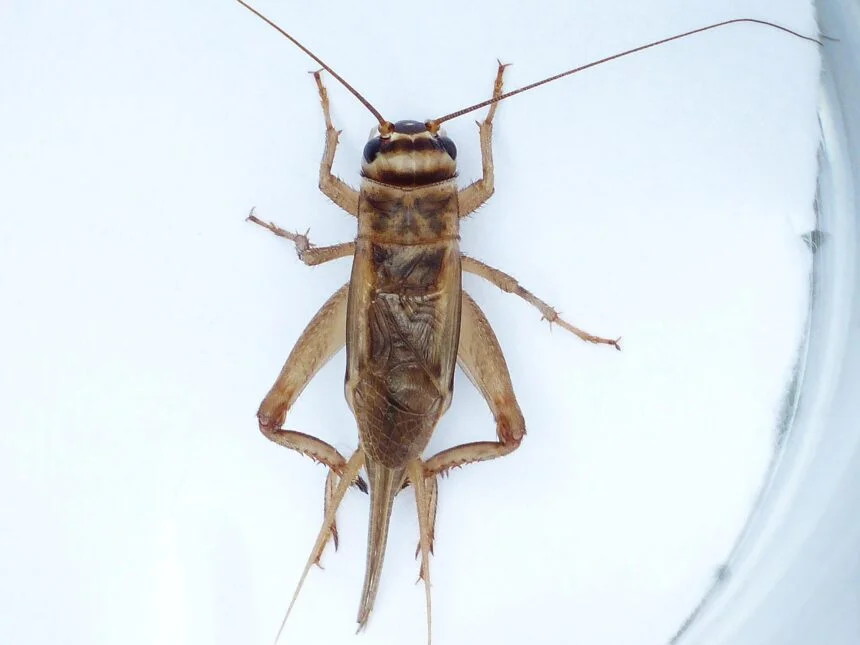
“39% of Poles are unwilling to try lab-grown meat (also known as cell-based meat) (data from 2024), while the number of people who are negative about this type of innovation has increased from 30% in 2022. However, it is insect-based food that arouses the greatest resistance: only 10% of Poles would consider trying such a dish, and only 2% expressed a willingness to permanently introduce insect-based food into their diet. Moreover, we can also see that the number of people opposed to this type of culinary innovation continues to grow. In 2022, 40% of Poles refused to try insect-based food, and in 2024, it was 63%,” says Prof. Dominika Maison.
How do we change our diet and what motivates us to do so?
Interestingly, when it comes to the number of vegetarians and vegans, Poland does not stand out from the rest of Europe. According to research conducted by Prof. Maison on a representative sample across the country, only about 5% of us have completely given up eating meat. We are much more likely to reduce our meat consumption but not completely abandon – 47% of Poles declaring that they have made this choice. Meat eaters who do not restrict their eating habits are still the largest group, accounting for 48% of respondents.
The motivations for diet change vary significantly depending on the group in question. Among those who have given up meat completely, the main concern is animal welfare, although ecological, health, and financial reasons, as well as the influence of a partner, are also common. On the other hand, among those of us who only limit meat or intend to do so, the most common reasons are concerns about the low quality of animal products, which is disproportionate to their high price, and the associated desire to lead a healthy lifestyle. This group rarely refers to ethical or environmental concerns.
“The number of people who reduce their meat consumption by giving up certain types of meat (e.g., pork or beef) or reducing the frequency of consumption of animal-based food has been growing rapidly. It seems that this trend will continue, meaning that the group of so-called reducetarians or flexitarians (people who reduce their meat consumption) will grow, but the group of vegans and vegetarians will not grow or will grow much more slowly. There are several reasons for this. First of all, giving up meat completely, and especially all animal products, requires a lot of effort. Secondly, a completely meat-free diet is also a social effort for some people, e.g., when other family members eat meat, it may involve cooking and eating separate meals,” explains Prof. Maison.
Conclusions for today – questions about the future
It is hard to say today what the final outcome will be when Prof. Maison’s research is completed. It is even more difficult to foresee how and under what influence the individual diets of Poles will evolve in the future. Nevertheless, even at this stage of the research, it is possible to draw several significant conclusions. First of all, both the reasons for and the extent of meat consumption reduction remain highly diverse in society. Secondly, and perhaps unsurprisingly, concern for animals or the environment is by no means the main motivation for Poles. The majority of those who reduce amount of meat they eat do so for health or economic reasons. Thirdly, at least at this stage, unusual meat substitutes such as insect protein or lab-grown meat seem to be, at best, an appetizing curiosity for Poles to try, rather than a real alternative.