

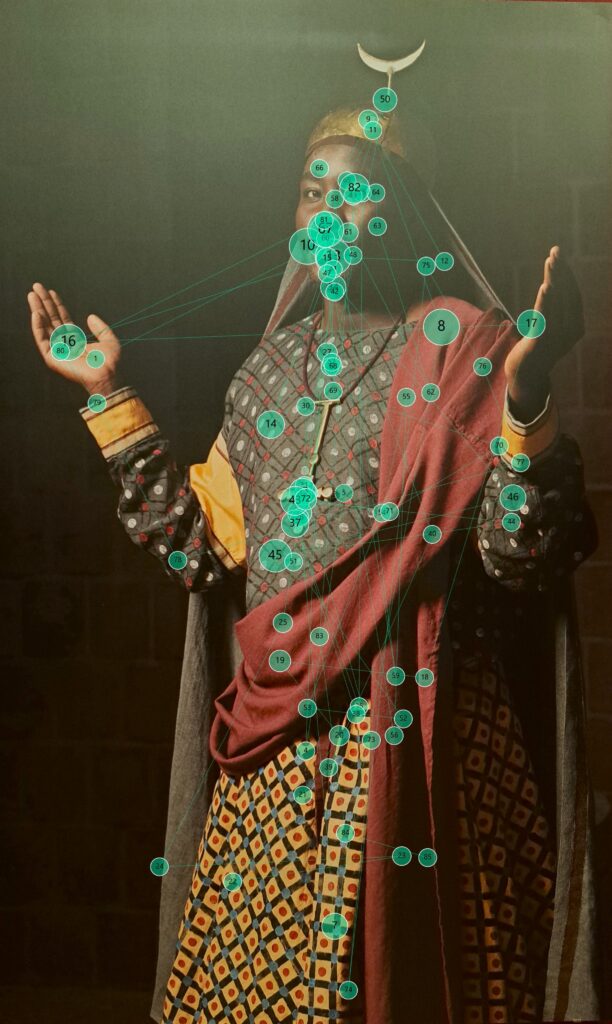
Eye-tracking makes it possible to determine where people look, in what order, and for how long by analyzing eye movements and fixation points. Using a specialized camera, researchers can track the movement of the eyes and create an attentional map based on viewers’ gaze, showing which elements attracted their attention. This allows them to determine how people process visual information, what draws their attention first, and which details they tend to overlook.
Although eye tracking may seem like a cutting-edge technology, the field has a surprisingly long history. In the late nineteenth century, French ophthalmologist Louis Émile Javal observed that the eyes move in distinct patterns while reading. In 1908, American psychologist Edmund Huey developed the first device capable of recording eye movements. The method gained broader scientific recognition in 1967 with the publication of Russian researcher Alfred L. Yarbus’s groundbreaking book Eye Movements and Vision, which remains one of the foundational works in the field.
Today, eye-tracking is used across a wide range of fields, from medicine and psychology to sports, automotive engineering, interface design, and marketing. In advertising in particular, it has become a powerful tool for decoding consumer behavior. By literally “seeing through the customer’s eyes,” marketers can pinpoint what captures attention – and what is overlooked, often without the viewer even realizing it. These insights allow companies to design more effective advertising campaigns and communication strategies
While the value of eye-tracking in business and technology may seem obvious, its application in archaeology is far less expected. Yet researchers at the University of Warsaw believe that this method has the potential to transform the way we study and present the past.
In his pioneering work, Dr. Tomasz Michalik of the University of Warsaw’s Polish Centre of Mediterranean Archaeology explores how patterns of visual attention can deepen our understanding of the past, shed light on how we perceive it, and make archaeological heritage more accessible to people from different cultural backgrounds.
What do archaeologists see?
For archaeologists, seeing is one of the most important research tools. They form initial hypotheses through observing finds. Yet the way we look at things is far from random – it is shaped by personality traits, cultural context, and specialist knowledge. As a result, experts and non-specialists often notice different details and assign different meanings to what they see.
What may appear to an archaeologist as a significant discovery can seem like an ordinary fragment of shell to a casual observer. Conversely, a tourist may be drawn to an object because it is visually striking or photographable, even if it holds little archaeological significance.
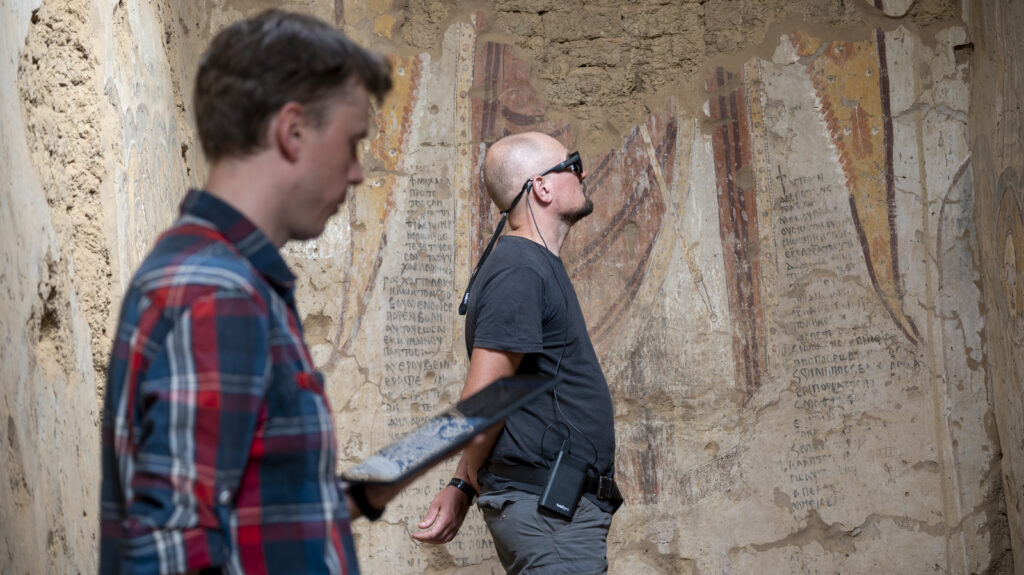
To better understand how people engage with archaeological heritage, Dr. Tomasz Michalik conducted a series of eye-tracking studies in laboratories, museums, and archaeological sites. One of his most important research locations was Old Dongola, the former capital of the medieval Kingdom of Makuria (5th–14th centuries CE), one of the major centers of Christianity in Africa.
Amid the sands of present-day Sudan lie the remains of churches and monasteries decorated with extraordinary wall paintings depicting biblical scenes, rulers, and members of the clergy. Archaeologists from the University of Warsaw have been studying and documenting these monuments for decades. Building on this work, Dr. Michalik uses eye-tracking to investigate how different audiences – including local residents and international visitors – perceive and interpret this remarkable cultural heritage.

Different cultures – different perspectives
One of the questions that interested Dr. Tomasz Michalik was how cultural background influences the way people perceive the material heritage of the past. Research conducted in Old Dongola shows that viewers from Sudan and Western countries engage with medieval Christian paintings in noticeably different ways.
The study found that participants directed their attention to the faces, clothing, attributes, and surroundings of the depicted figures in different sequences. Sudanese participants tended to focus first on symbolic attributes and spent more time exploring the broader context of the scenes. Participants from Western countries, by contrast, were more likely to direct their attention initially toward the figures’ faces and bodies, paying comparatively less attention to the background.
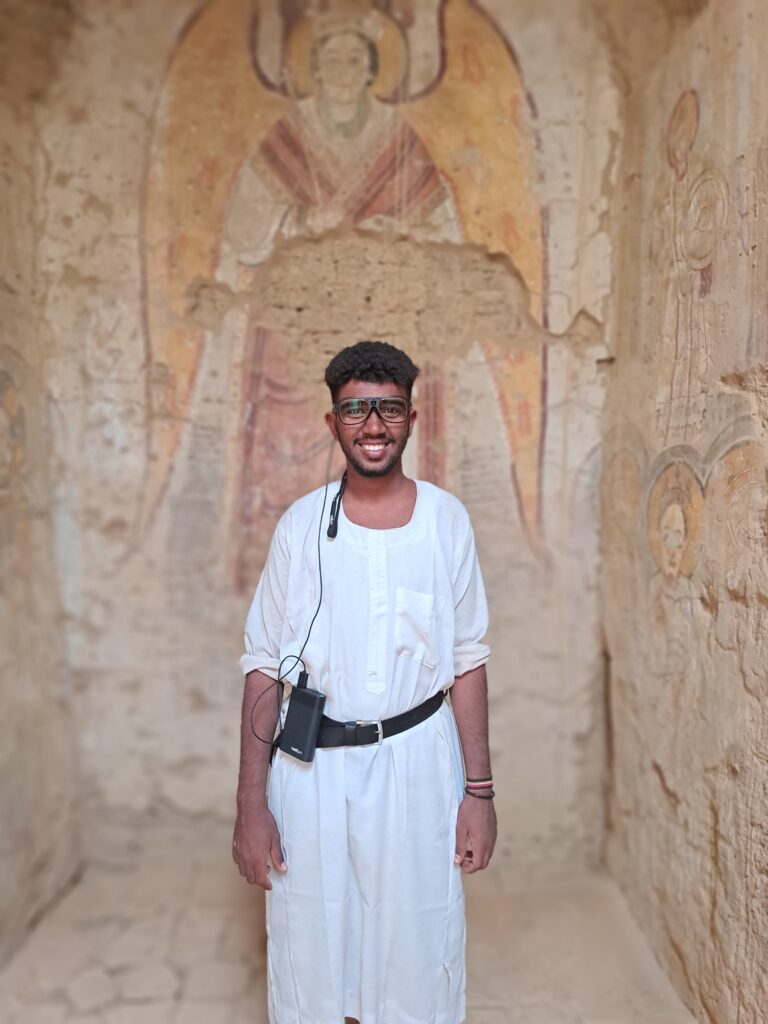
According to Dr. Michalik, these findings can help shape narratives that resonate with audiences from different cultural backgrounds. People do not always view or interpret the same image in the same way, and their starting points – and points of attention – can vary significantly.
This suggests that presenting heritage sites, museum collections, and historical monuments can be more engaging when these differences are taken into account. Adjusting the sequence of information, language, and emphasis may help diverse audiences connect more deeply with the work.
Education changes perspectives
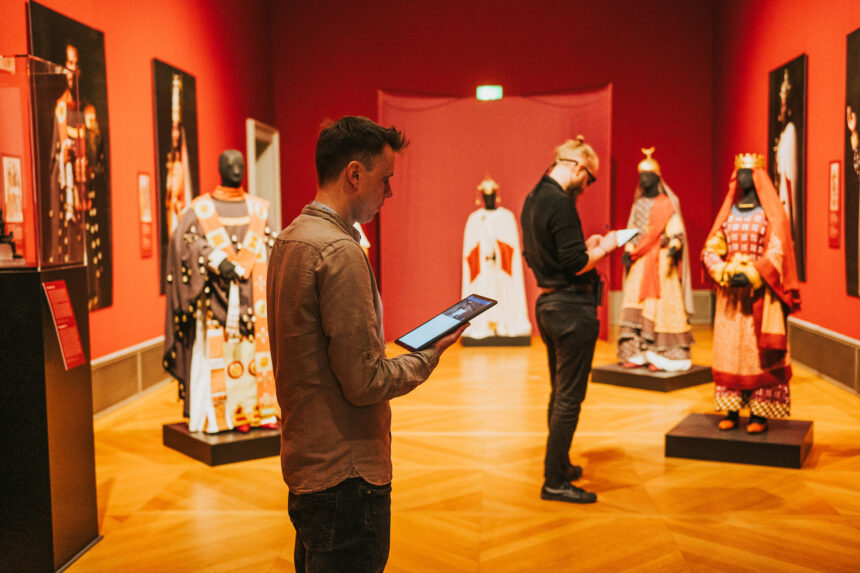
In another study conducted in Warsaw, Dr. Michalik explored whether knowledge gained during university training can change the way students perceive depicted figures. Archaeology students were asked to analyze wall paintings from the Faras Gallery at the National Museum in Warsaw at both the beginning and the end of the semester.

“One distinctive feature of these paintings is that saints were depicted with fair skin, while local rulers and bishops were shown in their actual appearance, with darker skin tones. We wanted to see whether students would pay more attention to fair-skinned figures – reflecting their own ethnic background – and whether training over the course of the semester could reduce the so-called ‘cross-race effect.’ Our results showed that at the beginning of the semester, students tended to focus on the faces of fair-skinned figures, whereas by the end of the semester this tendency had disappeared. This pilot study suggests that archaeological education can help reduce certain cultural biases while also raising broader questions about how researchers’ cultural backgrounds shape archaeological interpretation,” Dr. Tomasz Michalik explains.
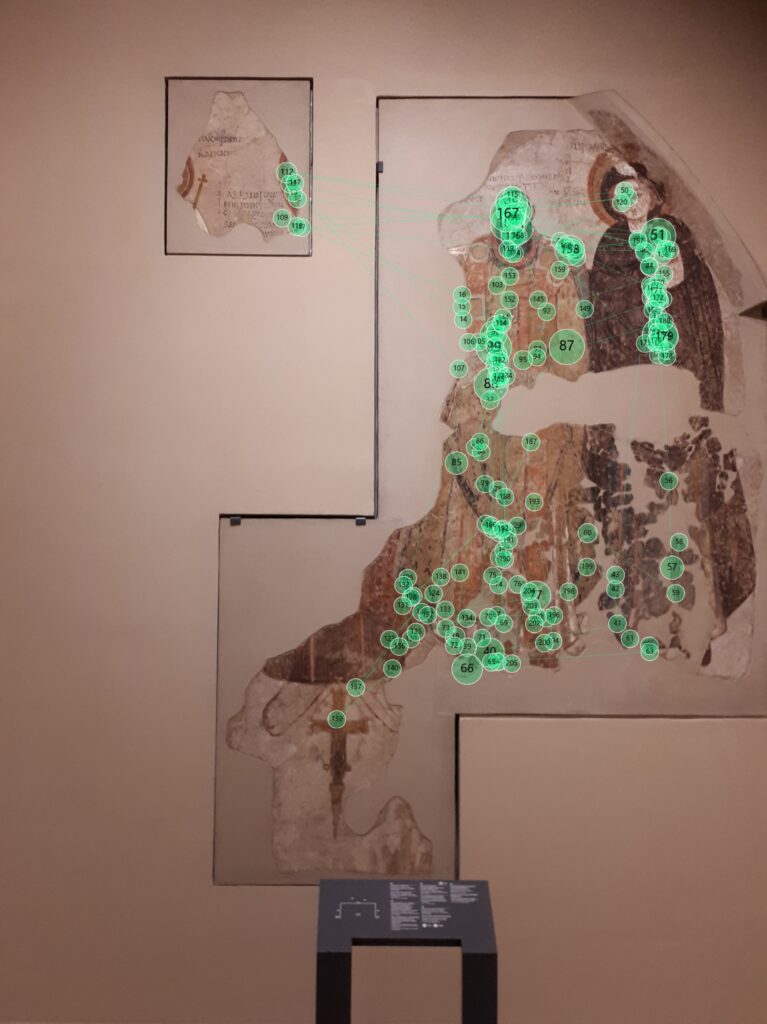
The study shows that archaeological education can gradually challenge ingrained patterns of perception that shape how visual material is interpreted. Beyond expanding knowledge, it encourages more conscious and critical ways of looking, helping students notice details they might previously have overlooked or misinterpreted.
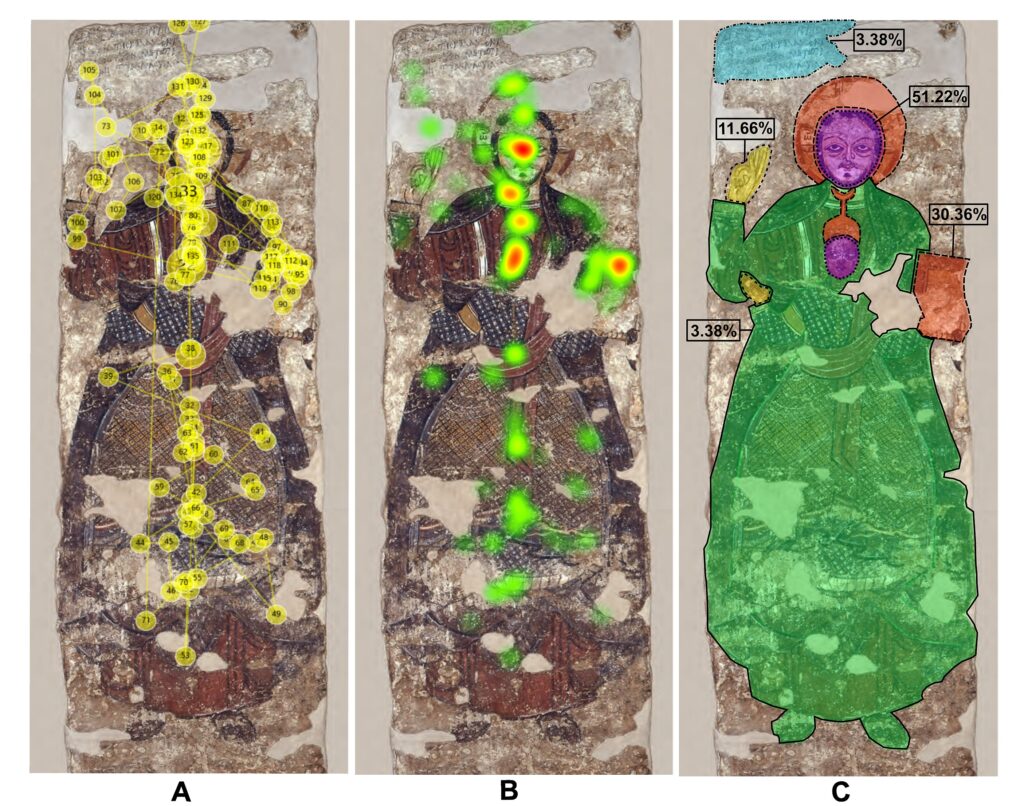
Building on this idea, Dr. Michalik investigated how effectively students can be trained to interpret visual data. He developed a set of teaching tools based on eye movement modeling examples (EMMEs) – recordings of experts’ eye movements while analyzing artifacts. Students compared these with gaze patterns recorded from individuals without archaeological training. Seeing these differences directly helped them better understand how expert observation differs from intuitive, non-specialist viewing. It also enabled them to identify key features more quickly, understand expert analytical strategies, and refine their own observational and interpretive skills. This represents one of the first attempts to use eye-tracking as a teaching tool in archaeology – and a clear indication that visual perception itself can be trained.
Looking is more than instinct
“Although looking may seem like an intuitive activity that requires no conscious effort, psychological research shows that we have limited awareness of how and where we direct our visual attention,” Dr. Michalik explains. “Eye-tracking allows us to move beyond this limitation and gain insight into a process that is normally invisible – both literally and figuratively.”
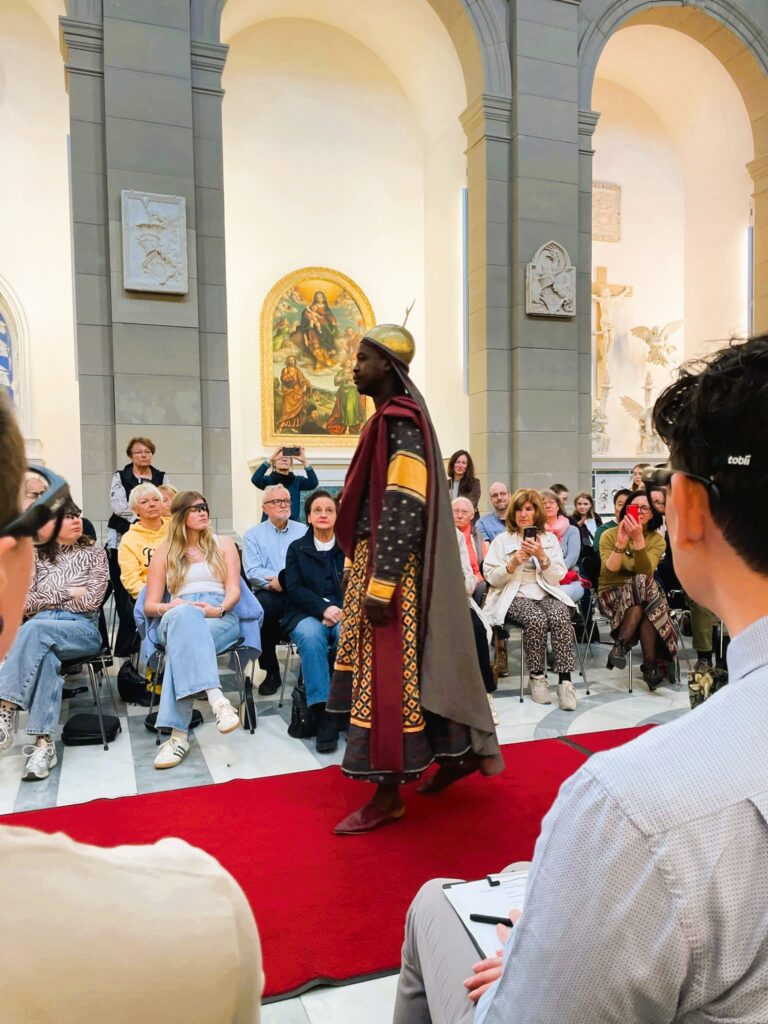
As Dr. Michalik notes, eye-tracking may one day be used not only in education and museum exhibition design, but also in research on the evolution of human mind. It is a tool that allows us not only to see what we see, but also to understand why we see it the way we do.
Ultimately, eye-tracking helps reveal the hidden layers of perception, showing that what we focus on is often shaped by the culture, knowledge, and lived experience embedded within us.

The text was originally published in Polish on the Serwis Naukowy UW website on July 24, 2025.